

Insect Archives
Browse insect resources.
-
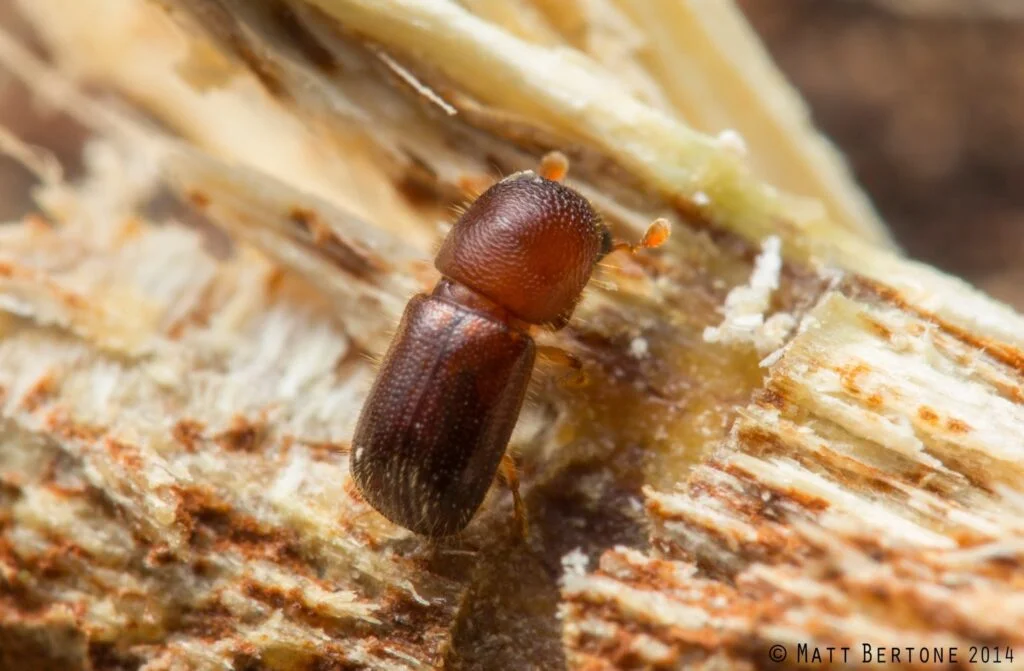
Ambrosia Beetle
Granulate ambrosia beetle was introduced to South Carolina from Asia in the early 1970’s.
-
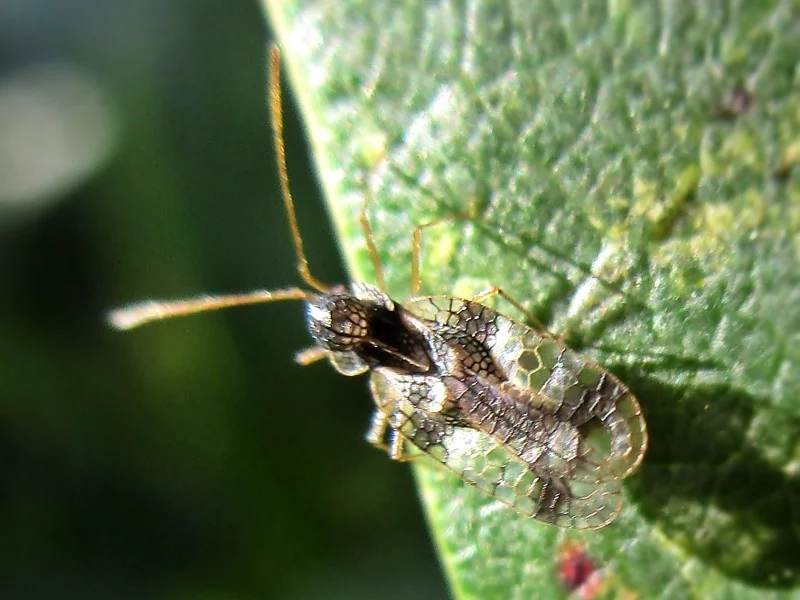
Andromeda Lace Bug
Lace bugs are exclusively plant feeders, and while more species occur on herbaceous plants, the most common species occur on the foliage of trees and shrubs.
-
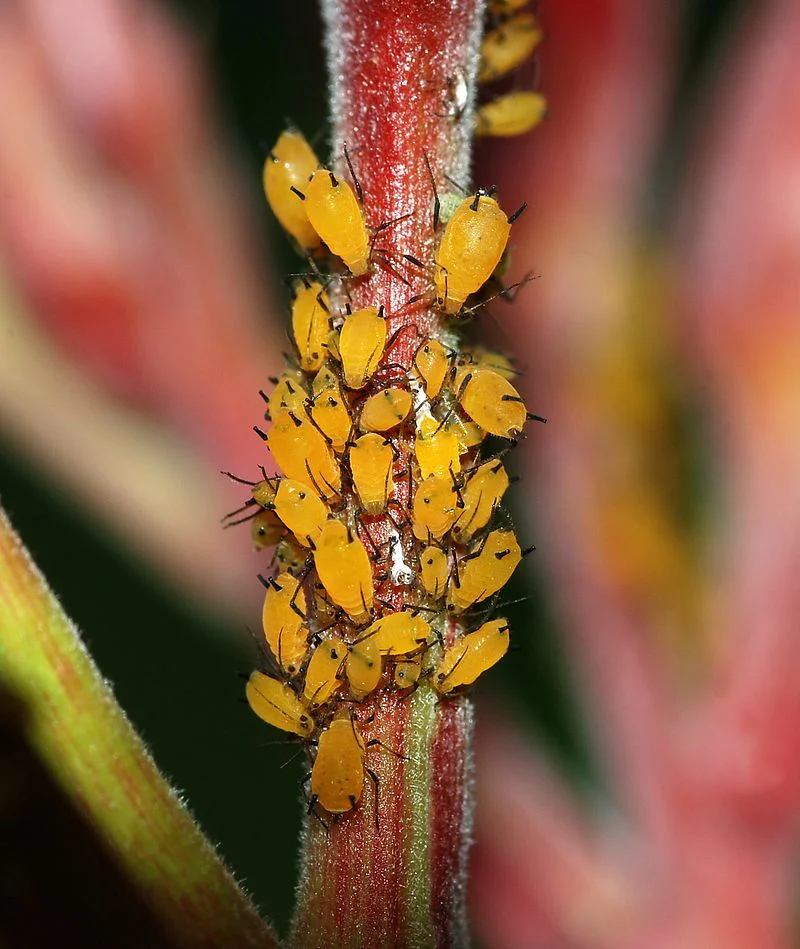
Aphids
Many species of aphids or plant lice occur on ornamental trees and shrubs in Pennsylvania.
-
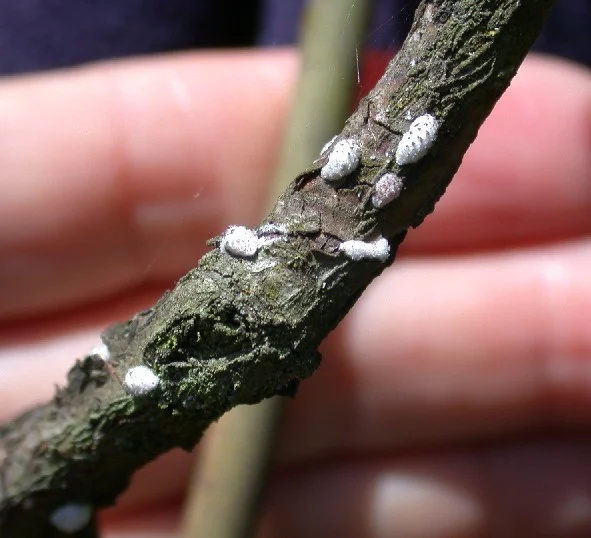
Azalea Bark Scale
The adult female azalea bark scale is dark red with short legs and antennae and long, sucking mouth-parts.
-
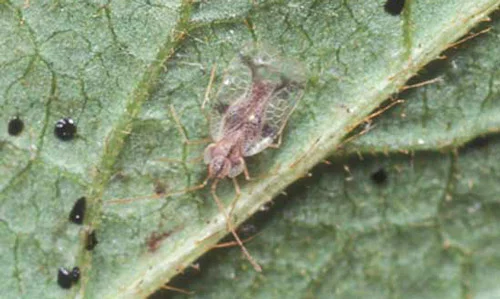
Azalea Leafbug
Lace bugs are common pests of a variety of ornamental trees and shrubs. The adults have highly ornamented wings and a hood-like structure covering the head. The entire surface is covered with veins that look like lace.
-
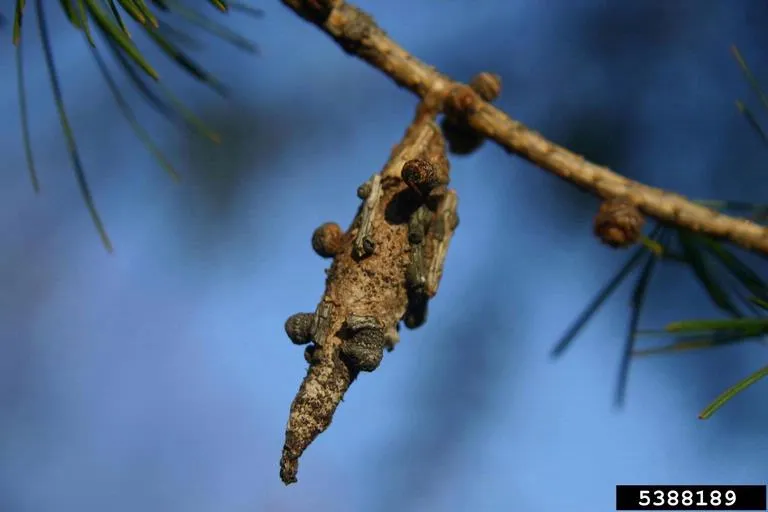
Bagworms
Bagworm is a caterpillar that molts into a moth in the adult stage. They are easiest to identify by the bags they construct as they feed. Damage includes needle discoloration and injury.
-
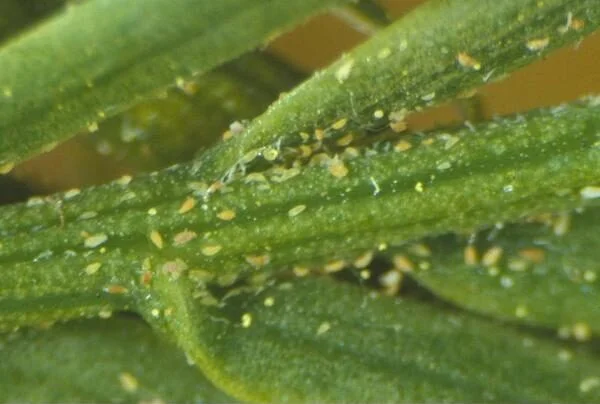
Bald Cypress Rust Mite
This microscopic mite is an eriophyid mite that is most active during the warm season. The mite is active now in Ohio, and characteristic damage is being seen in Illinois. Damage will appear as reddish brown interior needles.
-
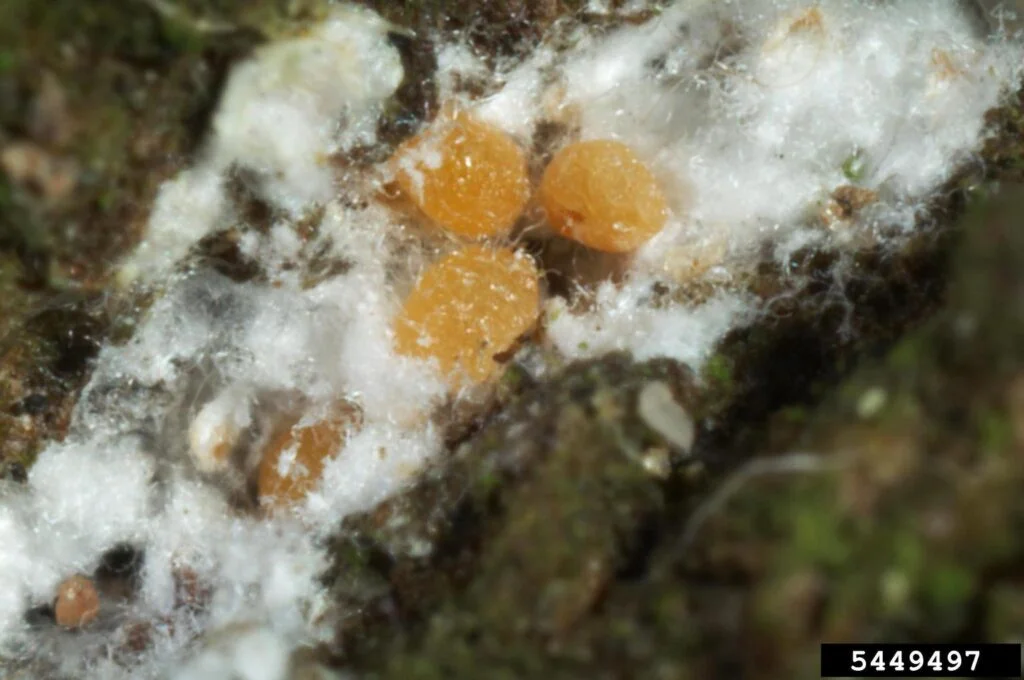
Beech Scale
The beech scale (Cryptococcus fagisuga Lindinger) was first found in the U.S. in Massachusetts and Maine in the 1930s.
-
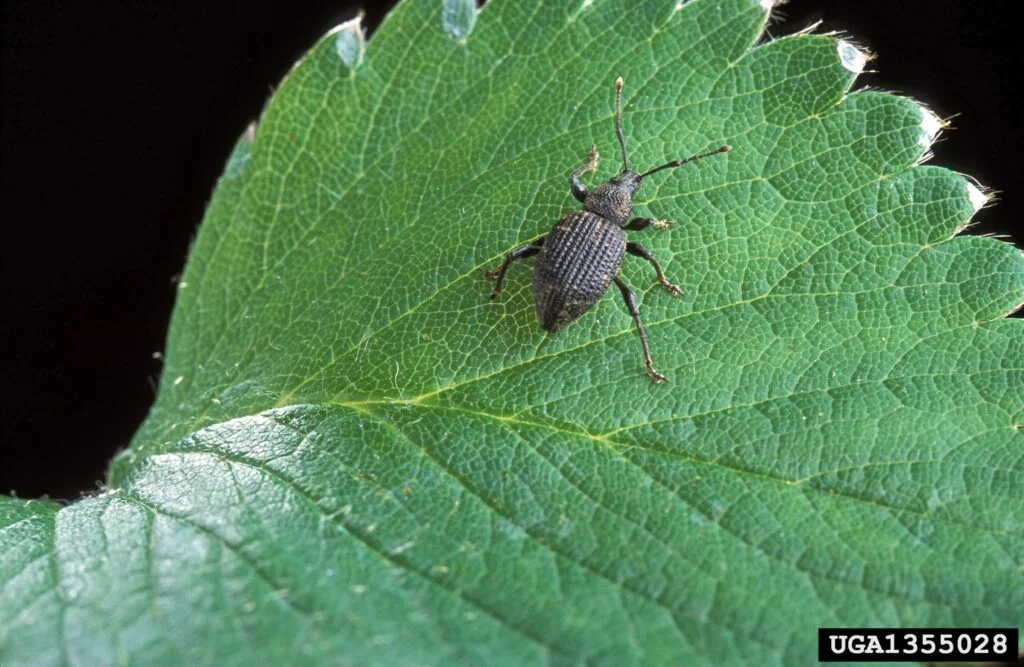
Black Vine Weevil
The black vine weevil is a serious pest in nurseries and established landscape plantings.
-
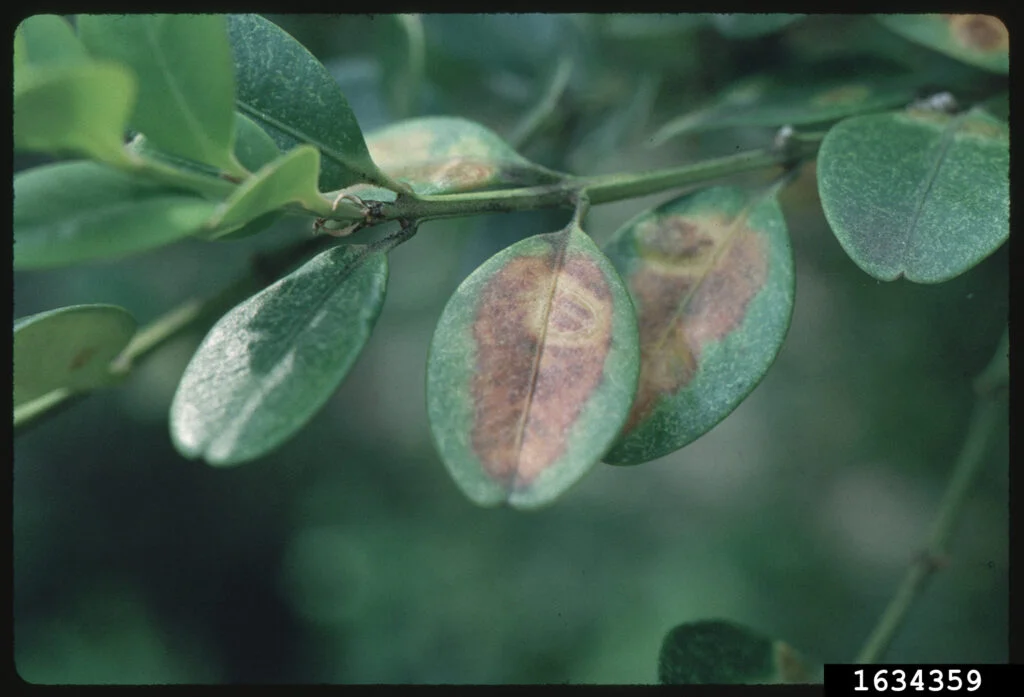
Boxwood Leafminer
The boxwood leafminer is a serious pest of Pennsylvania plantings of boxwood.
-
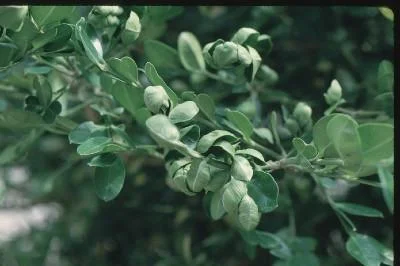
Boxwood Psyllid
The boxwood psyllid is a common pest of boxwood, but not considered as destructive as other boxwood pests.
-
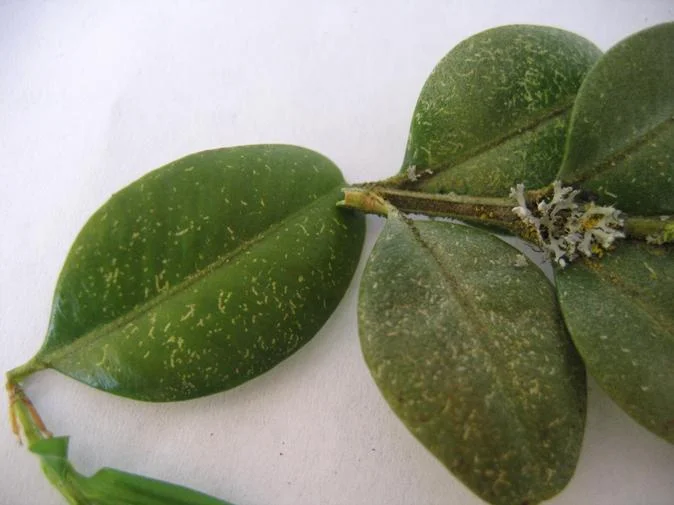
Boxwood Spider Mite
The boxwood spider mite, Eurytetranychus buxi, becomes active in late April, early May in Oregon. The mites overwinter in the egg stage.
-
Bronze Birch Borer
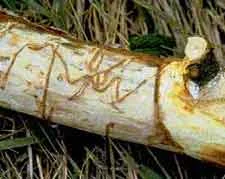
The bronze birch borer is a serious secondary pest of white, paper, and cut leaf weeping birches.
-
Cottony Camellia Scale
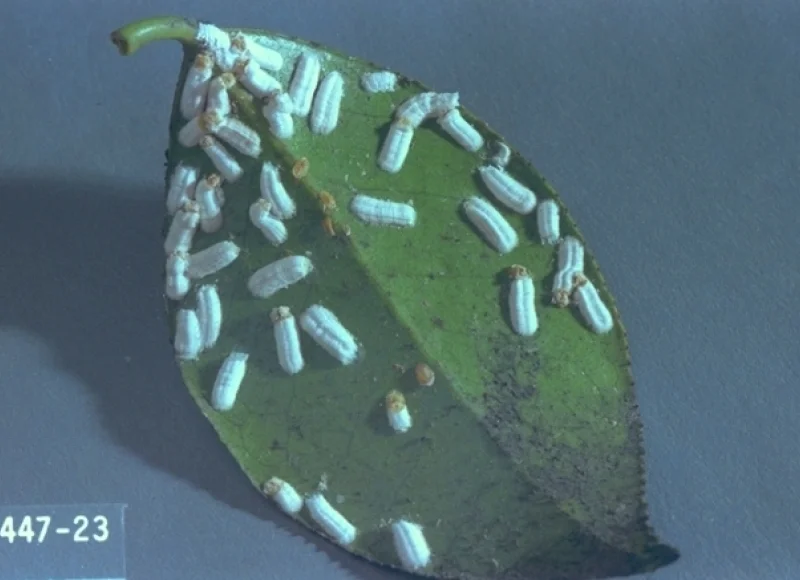
Cottony camellia scale is a soft scale that feeds on camellia, holly, yew, euonymus, sweetbox, and maple.
-
Cottony Maple Leaf Scale
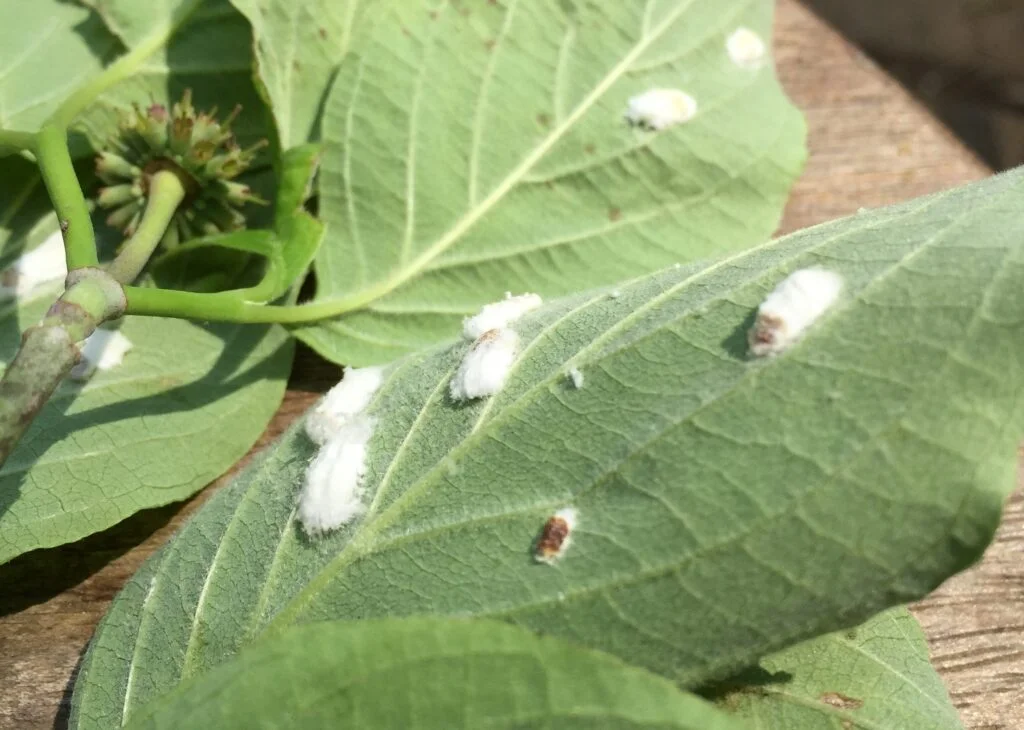
Cottony maple leaf scale females are 3 to 4mm long and 2 to 4mm wide. They are slightly convex and are brown with a yellow-brown ridge down the back. The body is covered with flakes of clear wax. Their eggs are white to pale yellow and are meshed in a white, cottony ovisac which may be up to 5mm wide and 12mm long. Newly hatched nymphs are pale yellow or green and translucent. They closely adhere to the undersides of leaves and are easily overlooked.
-
Cottony Maple Scale
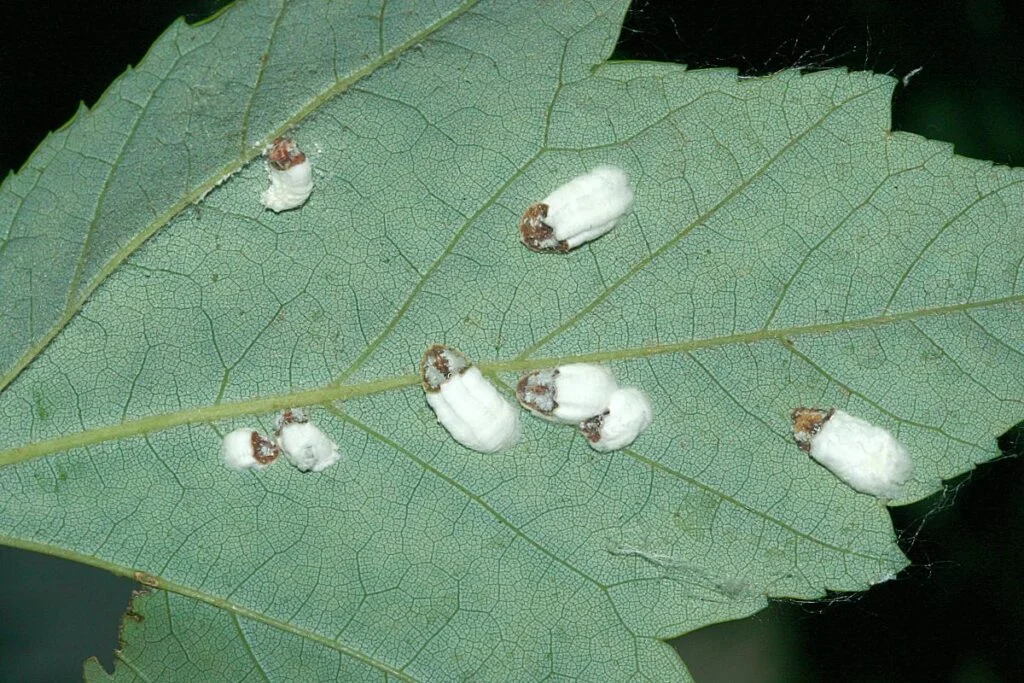
The cottony maple scale is a highly modified insect pest that commonly attacks silver and red maples in Ohio.
-
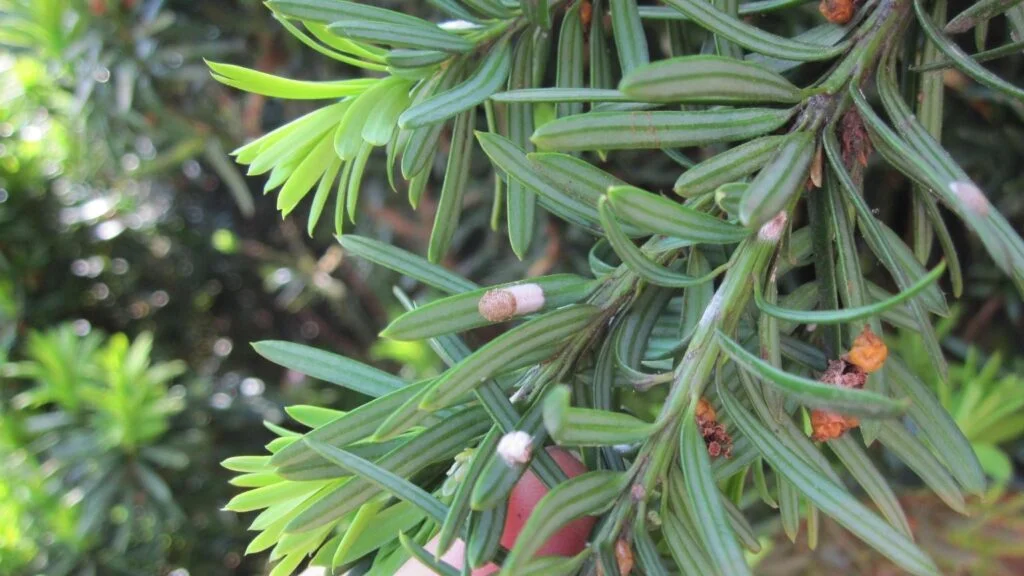
Cottony Taxus Scale
Cottony camellia scale (Pulvinaria floccifera), also called cottony taxus scale, is a non-native type of soft scale insect that can be difficult to manage as their waxy body covering shields them from predators and certain pesticides. Learn more about scale insect groups and biology on our Introduction to Scale Insects page. Cottony camellia scale is a common pest of camellia, yew, holly, and several other trees and shrubs. Heavy infestations can cause leaf yellowing. The impacts of honeydew production and the resulting growth of sooty mold will range from being an aesthetic nuisance to suppressing plant growth. Target monitoring and control efforts to the vulnerable crawler stage.
-
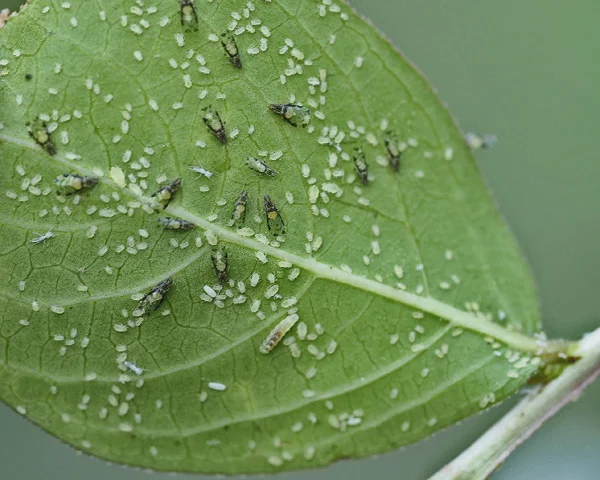
Crape Myrtle Aphid
Crape myrtles are among the most commonly planted trees in the Southeast. The two main pests are crape myrtle bark scale , which was covered recently, and crape myrtle aphid.
-
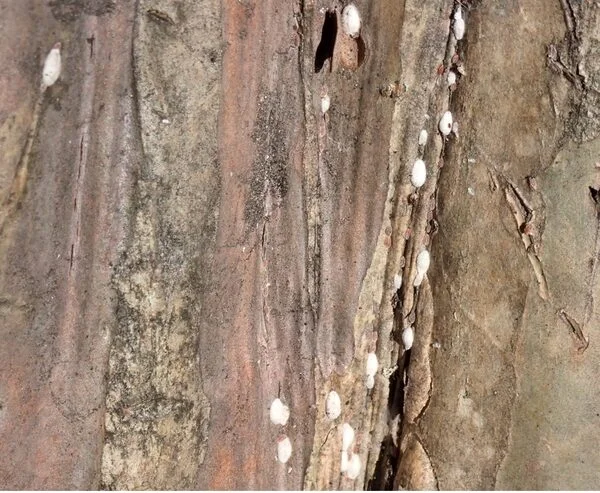
Crape Myrtle Bark Scale
Crape myrtle bark scale is a felt scale related to azalea bark scale and oak eriococcin scale. They feed on phloem like other “soft scales”, thus the honeydew.
-
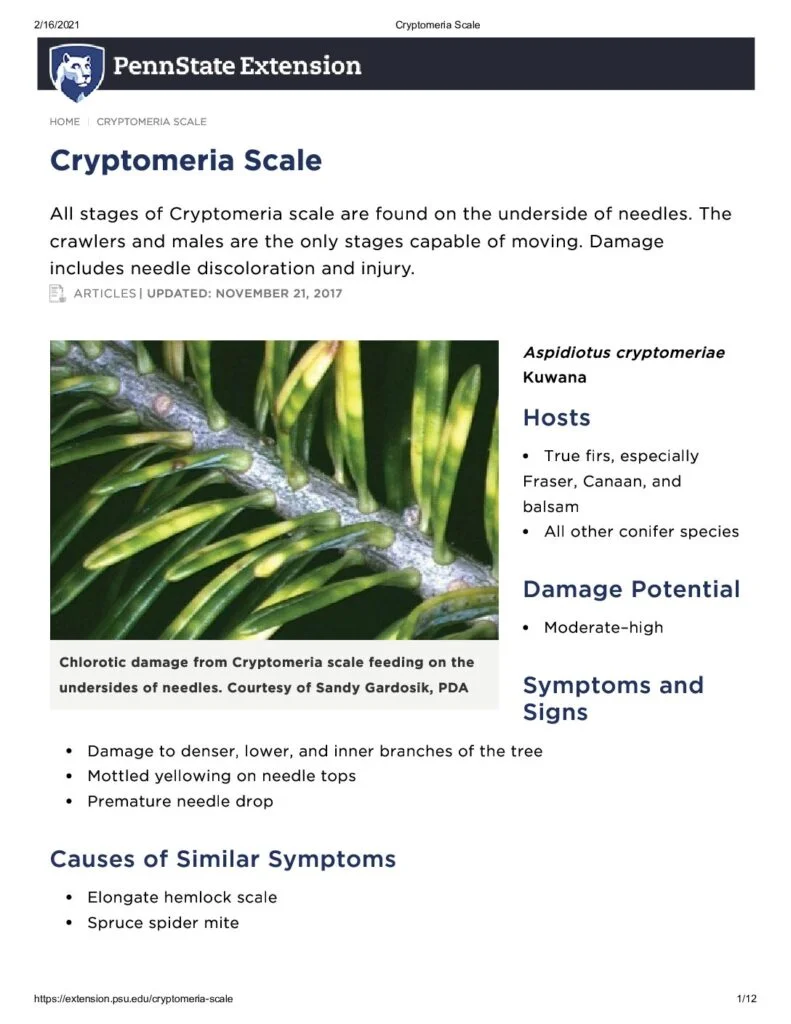
Cryptomeria Scale
Cryptomeria scale is an armored scale found on the underside of needles.
-
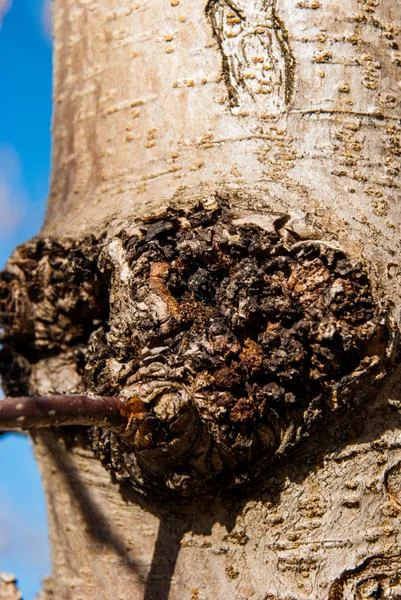
Dogwood Borer
Adults are typical black and yellow clear-winged moth similar to but smaller than adult lesser peach tree borer and peach tree borer, with awing span of only ¾ inch.
-
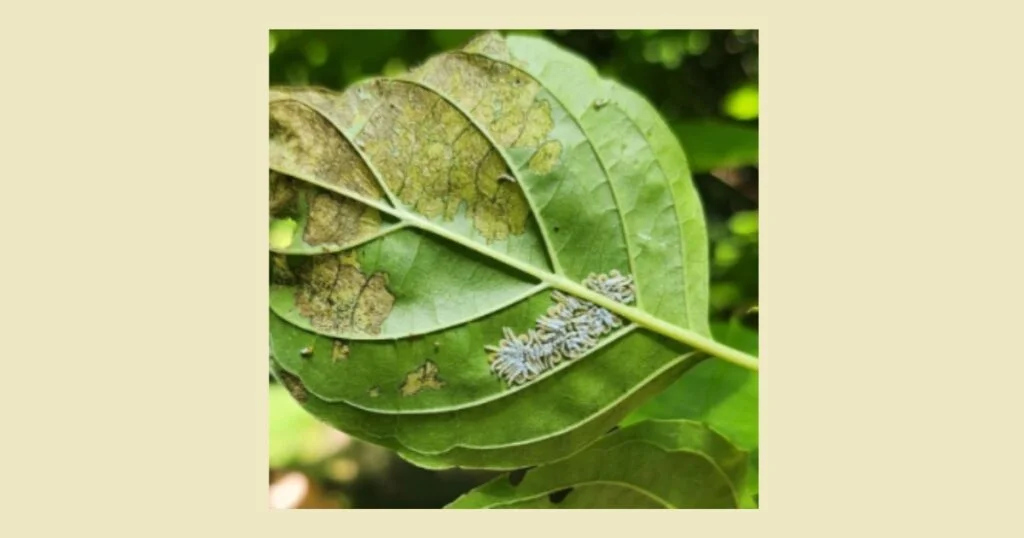
Dogwood Sawfly
Adult sawflies are wasplike. After the second molt, larvae become covered in a white powdery substance.
-
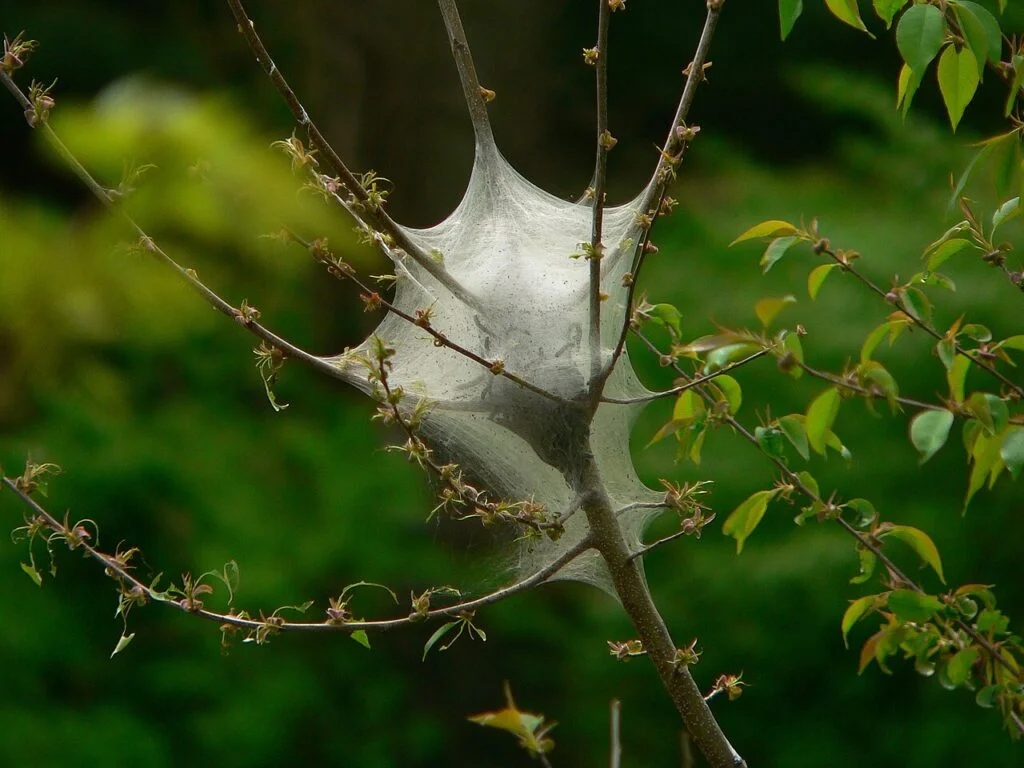
Eastern Tent Caterpillar
The Eastern tent caterpillar has been observed in the United States since 1646.
-
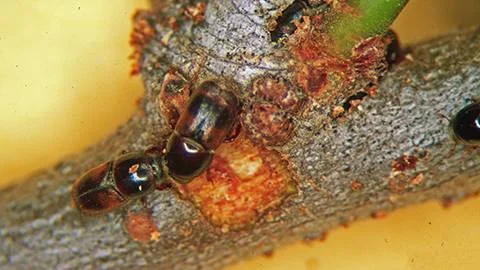
Elm Bark Beetle
Three species of bark beetles are associated with elms in the United States.
-
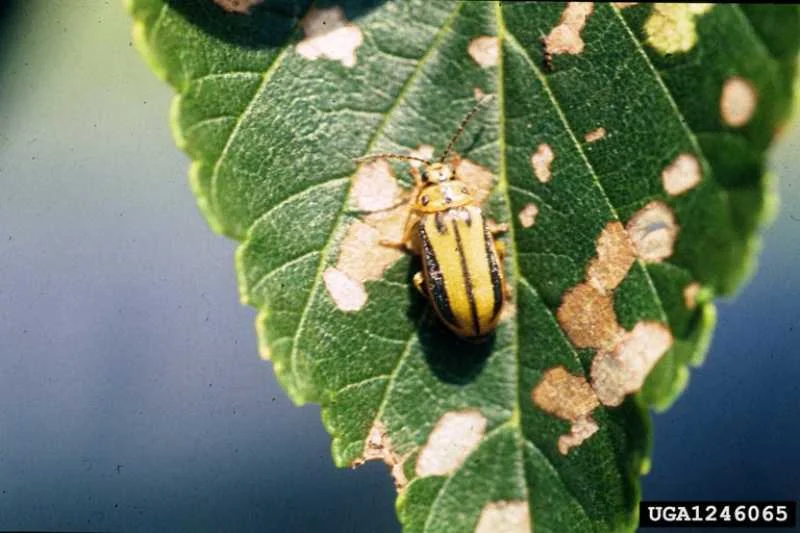
Elm Leaf Beetle
The elm leaf beetle is an introduced pest that feeds only on species of elm.
-
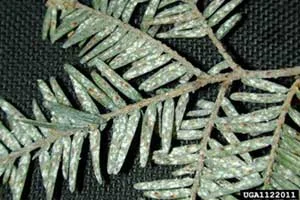
Elongate Hemlock Scale
The elongate hemlock scale sometime known as the fiorinia scale, is a serious scaled insect pest of hemlock.
-
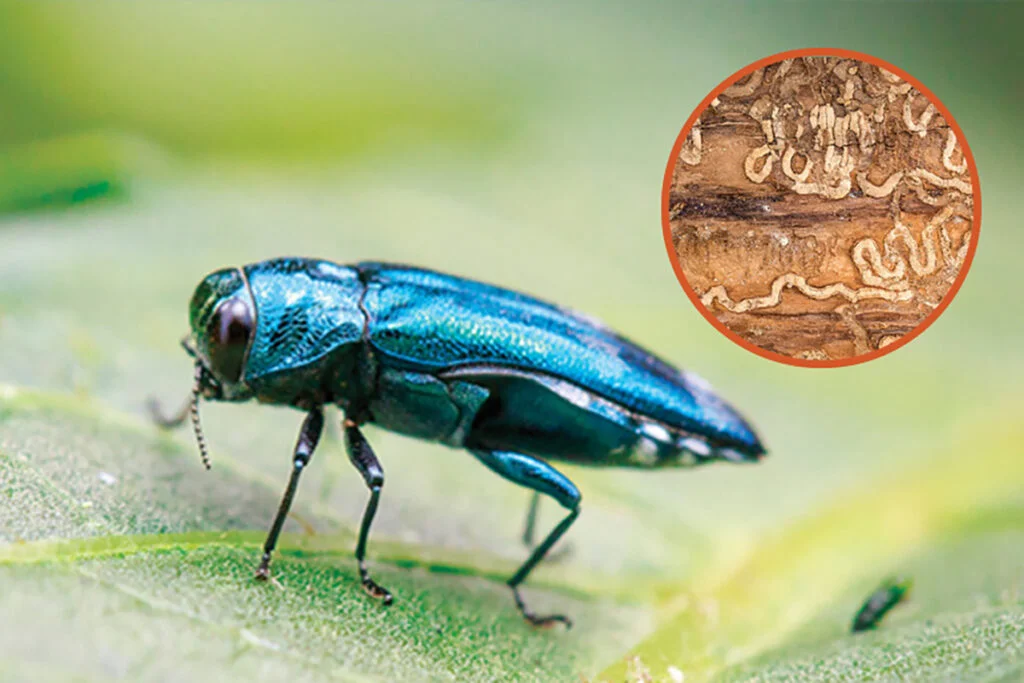
Emerald Ash Borer
Emerald Ash Borer (EAB) is a destructive, introduced insect of North American ash trees. It has been the cause of widespread ash tree decline and mortality throughout northeastern North America.
-
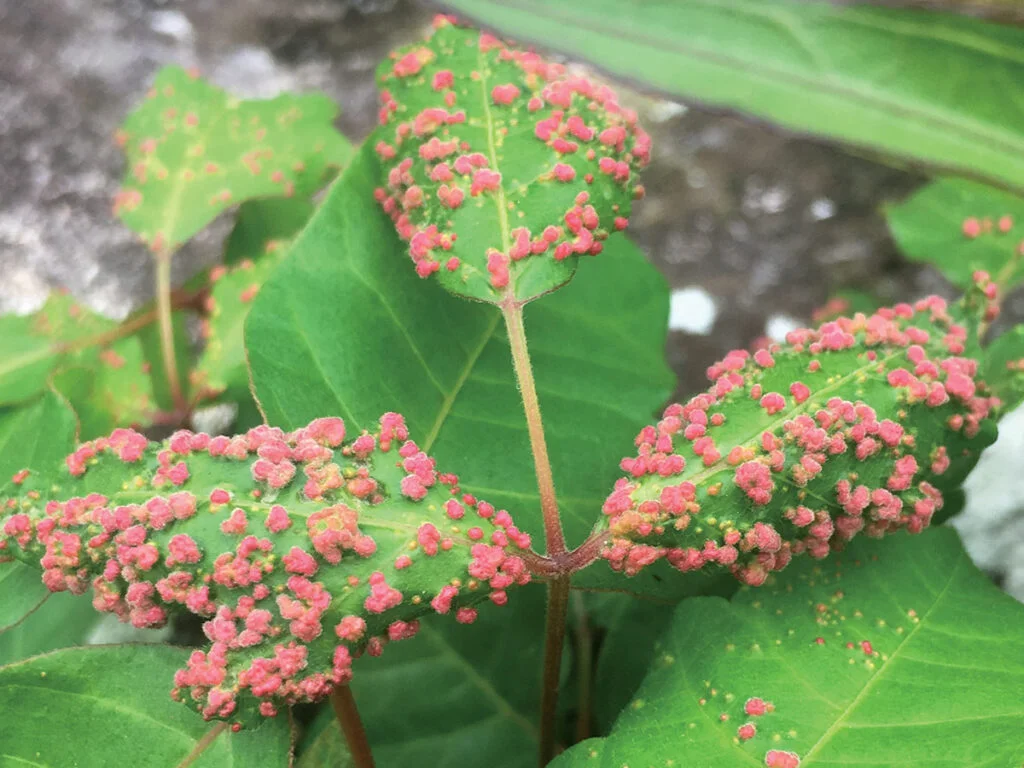
Eriophyid Mites
Eriophyid mites are microscopic mites that often go undetected.
-
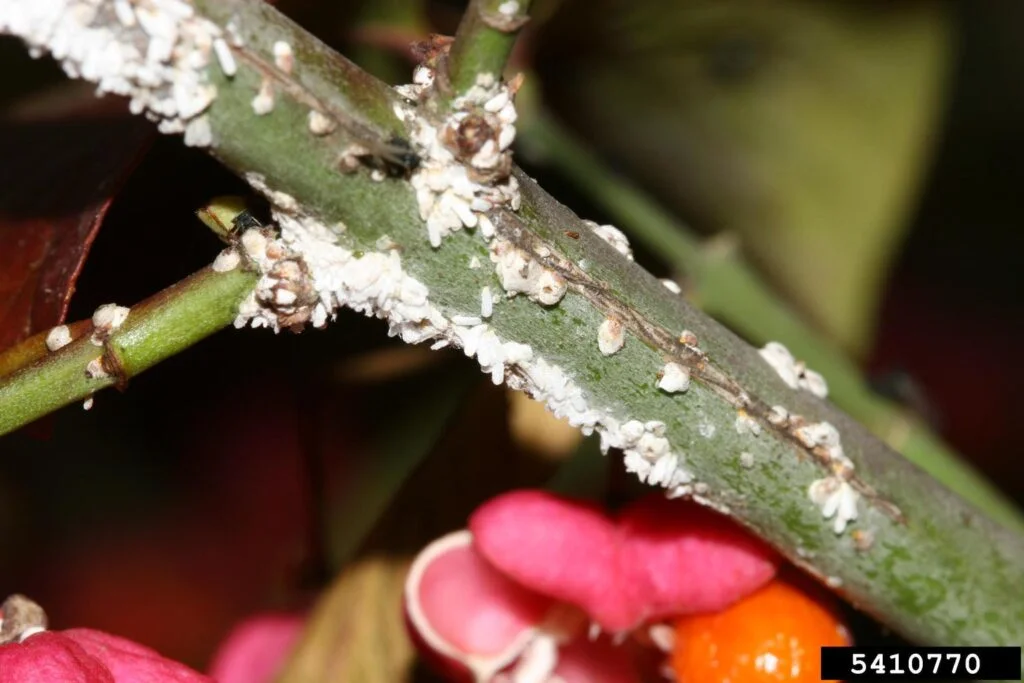
Euonymus Alatus Scale
Yellowing of foliage and dieback of branched in heavy infestations. Heavily infested plants have been defoliated during the growing season.
-
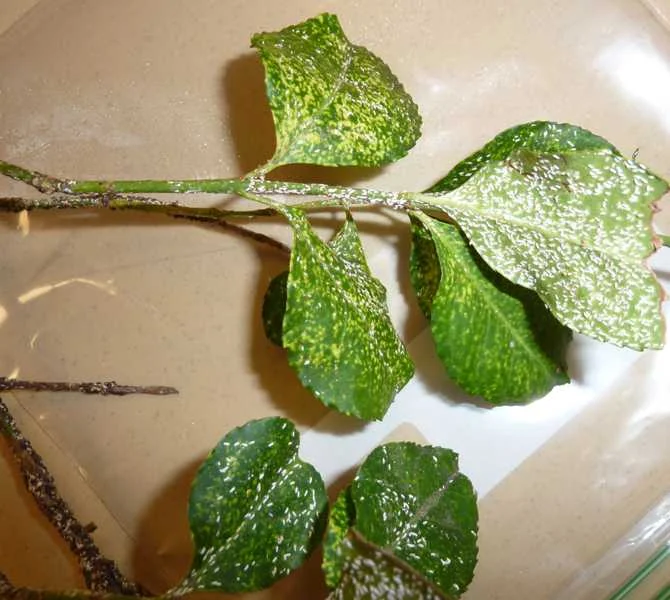
Euonymus Scale
The euonymus scale is a key pest of deciduous and evergreen euonymus.
-
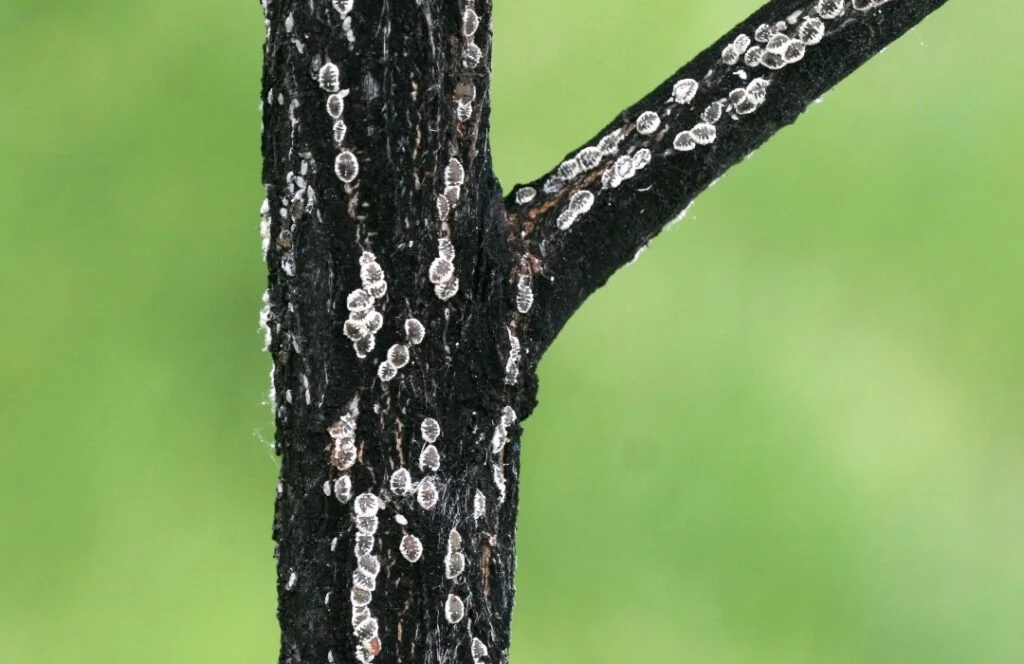
European Elm Scale
Mature females are up to 10 mm long oval and grayish-brown with a white waxy fringe ovisac.
-
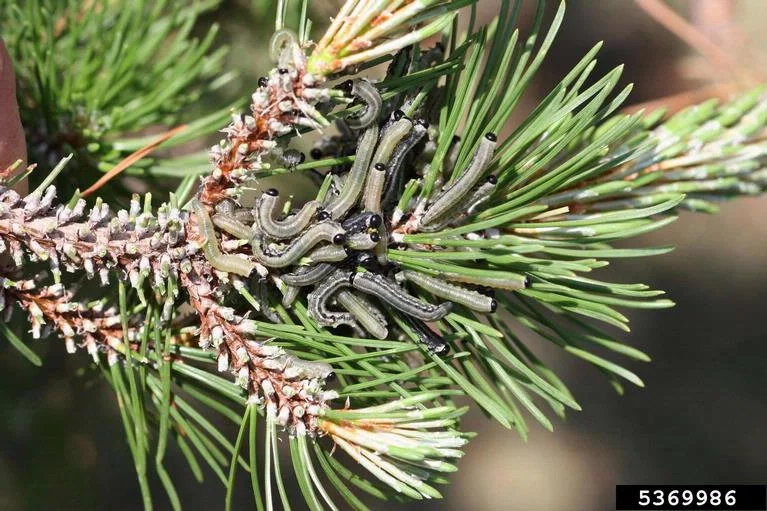
European Pine Sawfly
The most common sawfly species that attacks pines in Pennsylvania is the European pine sawfly.
-
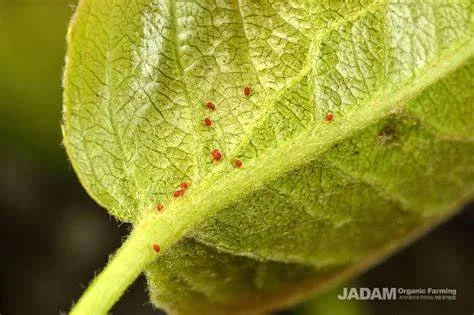
European Red Mite
The European red mite (ERM) is the most important mite species attacking tree fruits in North America.
-
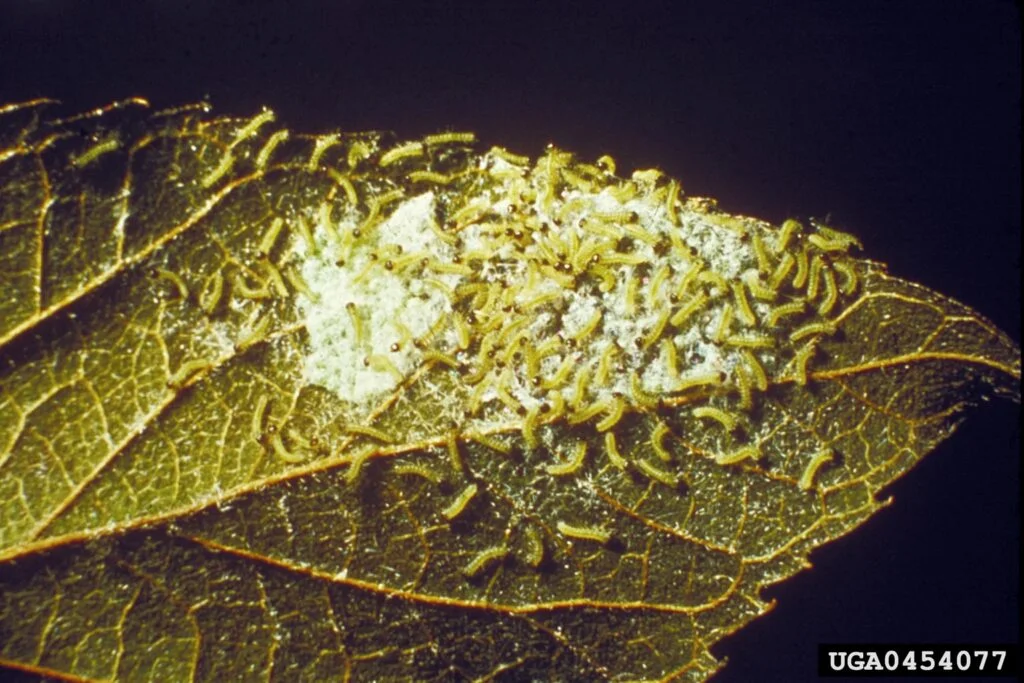
Fall Webworm
The fall webworm is a widely distributed native pest that appears from late summer through early fall. It feeds on many species of deciduous trees and shrubs.
-
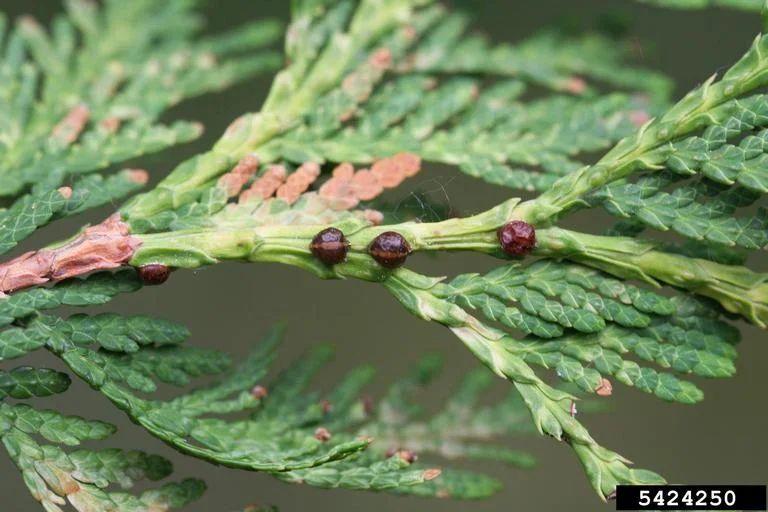
Fletcher Scale
The Fletcher Scale, sometimes referred to as the arborvitae soft scale, is a common pest of arborvitae and yew.
-
Foliar Aphids
Many species of aphids or plant lice occur on ornamental trees and shrubs in Pennsylvania.
-
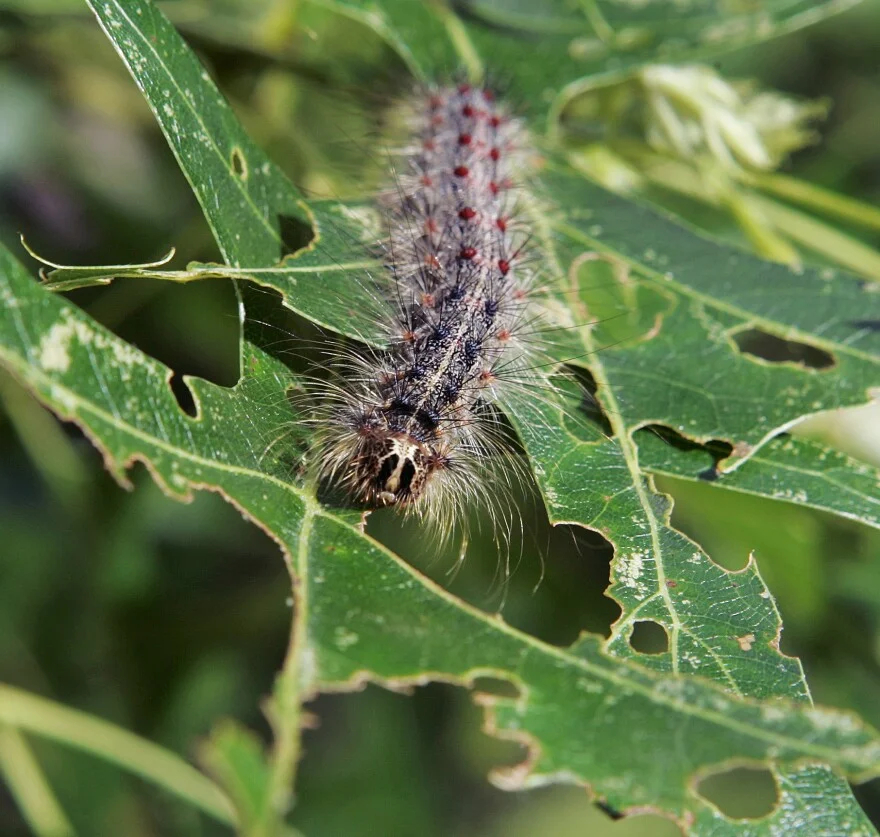
Gypsy Moth
The gypsy moth was accidentally introduced into Massachusetts in 1869.
-
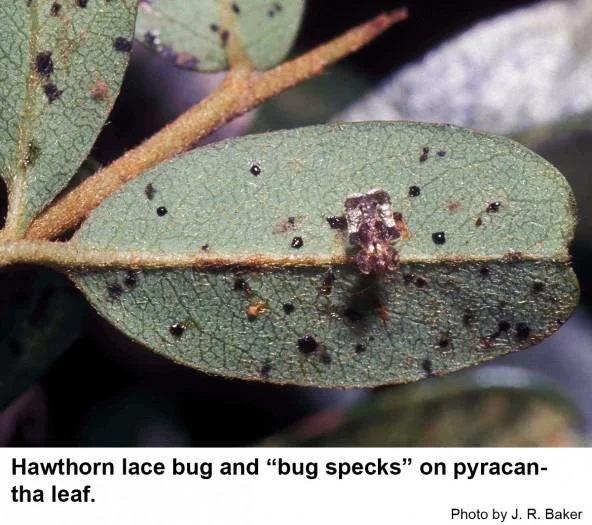
Hawthorn Lace Bug
Lace bugs are common pests of a variety of ornamental trees and shrubs.
-
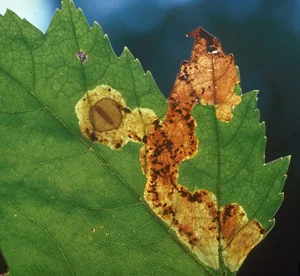
Hawthorn Leafminer
A moderately common pest problem observed on hawthorn trees in May and June is the hawthorn leafminer, Profenusa canadensis. The leafminer is the larval stage of a sawfly. The larvae live inside the leaf causing the leaf tips to turn brown. Leaves appear to be diseased or damaged by frost. However, frass and at certain times even the larvae can be seen between the upper and lower epidermis by holding the leaves up to the sun.
-
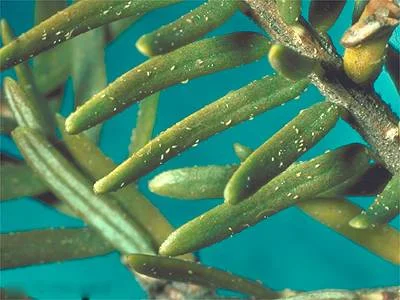
Hemlock Rust Mite
Adult eriophid mites are minute, yellowish-orange, spindle-shaped mites with four legs.
-
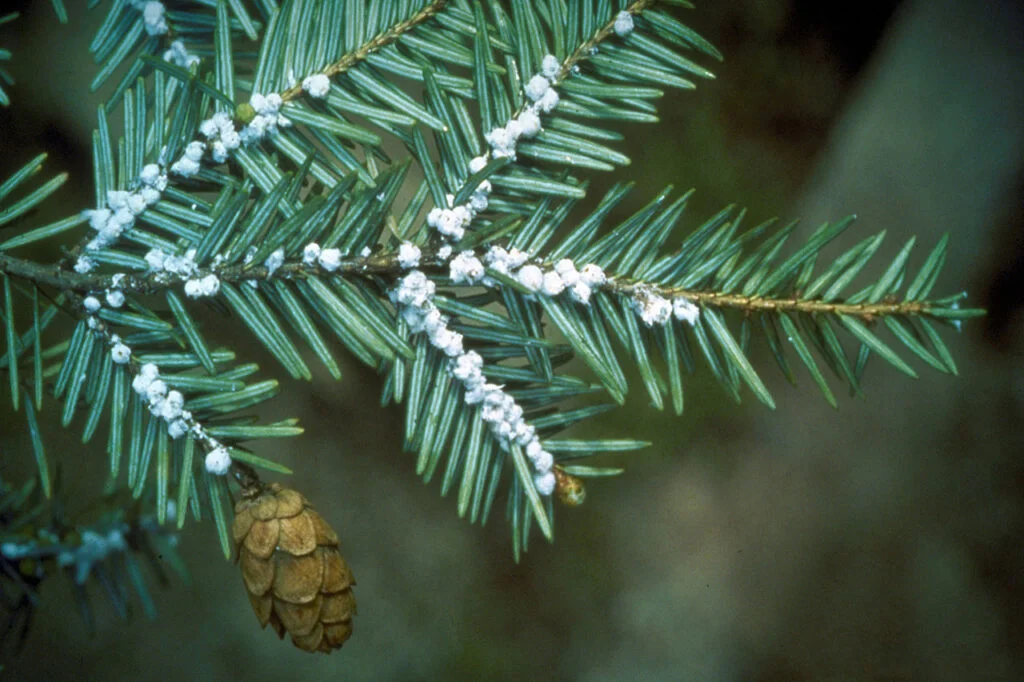
Hemlock Woolly Adelgid
Hemlock woolly adelgid is a destructive, introduced pest of forest and ornamental hemlock trees.
-
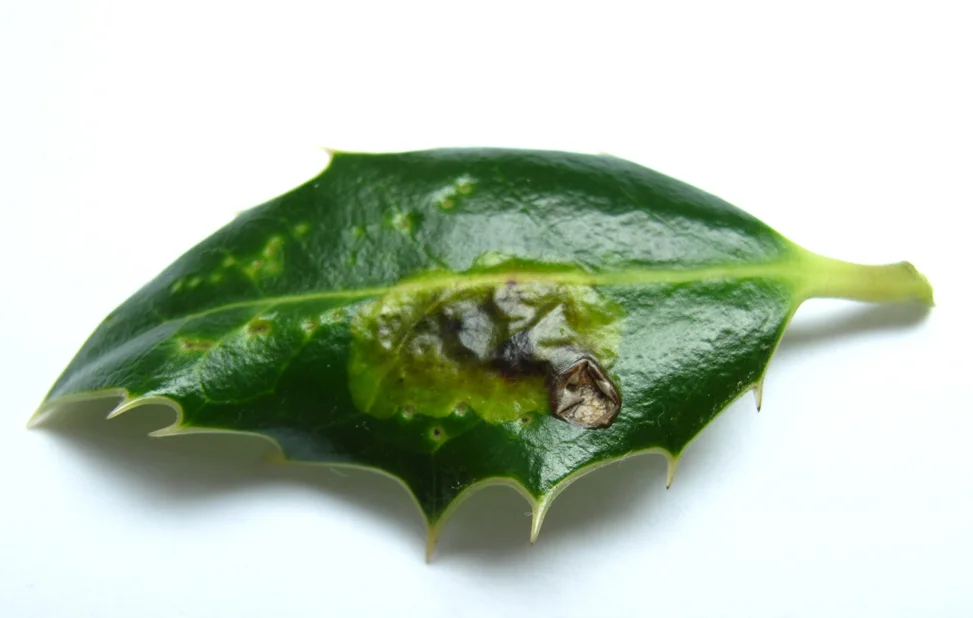
Holly Leafminer
Ornamental plantings of holly in Pennsylvania are often damaged by leafmining pests. The native holly leafminer only feeds on the foliage of American holly.
-
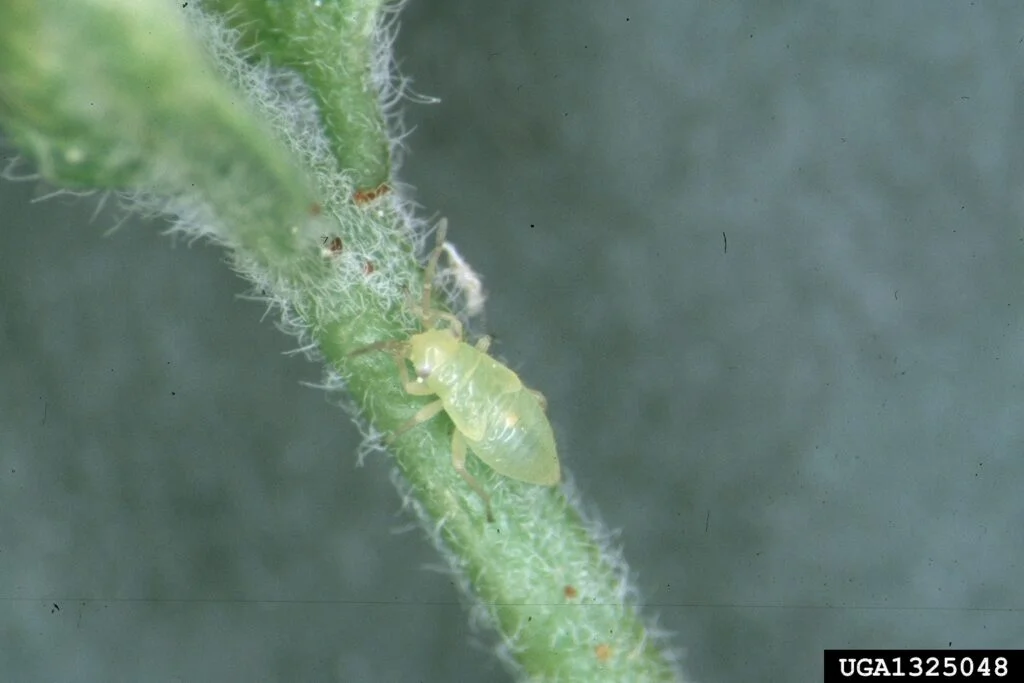
Honeylocust Plant Bug
The honeylocust plant bug is a key pest of honeylocust.
-
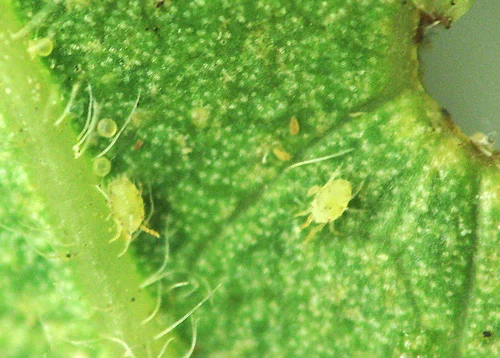
Honeylocust Spider Mite
Adult mites that have overwintered are less then 1 mm long and orange.
-
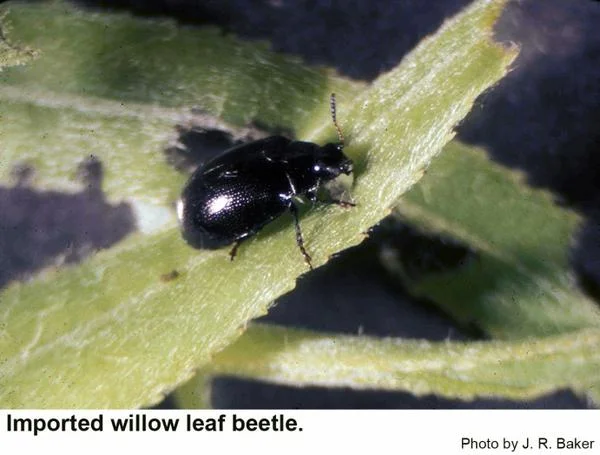
Imported Willow Leaf Beetle
Adults and larvae of the imported willow leaf beetle both feed on foliage of willows during the summer months.
-
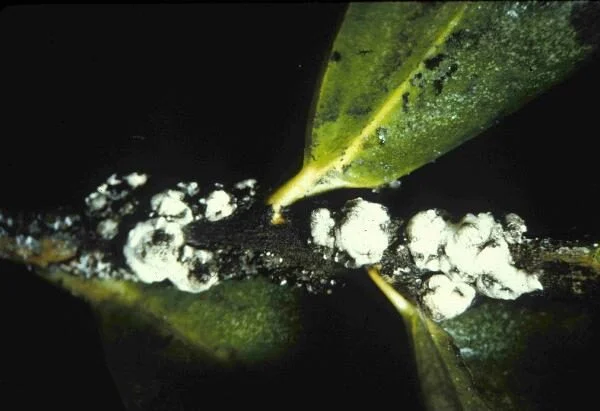
Indian Wax Scale
Indian wax scale insects, Ceroplastes ceriferus, are tiny, brownish-purple females with microscopic legs and a thick covering of sticky, white wax.
-
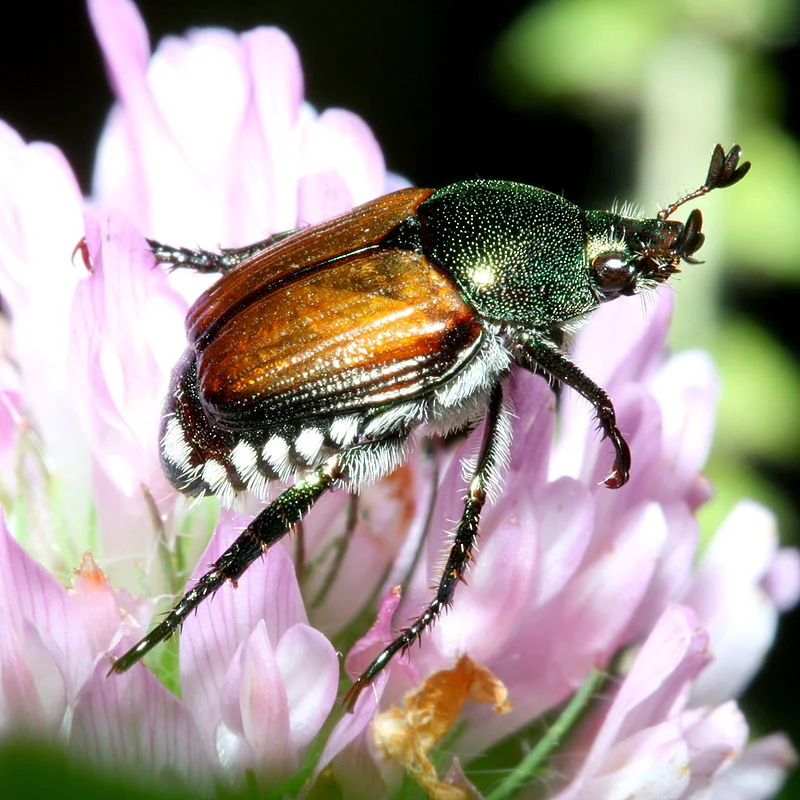
Japanese Beetle
Japanese beetle adults have metallic green bodies with coppery brown wing covers surrounded with 12 white tufts of hair.
-
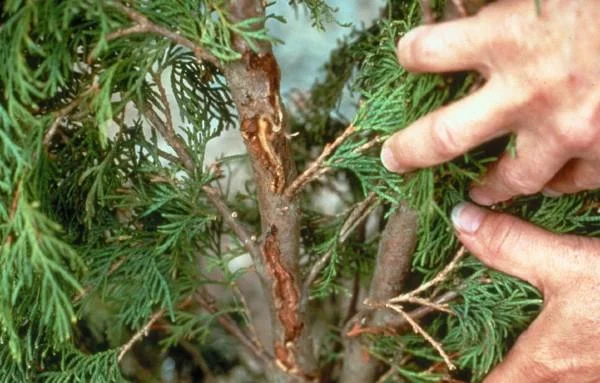
Japanese Cedar Longhorn Beetle
The Japanese cedar longhorned beetle is an exotic insect that bores into trees of the cypress family.
-
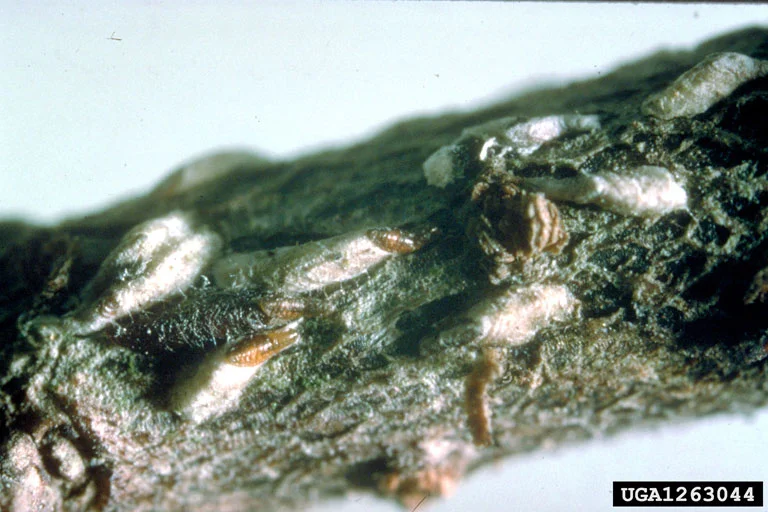
Japanese Maple Scale
The Japanese maple scale is a recently detected pest of a wide range of woody host plants in Pennsylvania.
-
Japanese Mealybug
This species was intercepted 131 times at U. S. ports-of-entry between 1995 and 2012, with specimens originating from Brazil, China,…
-
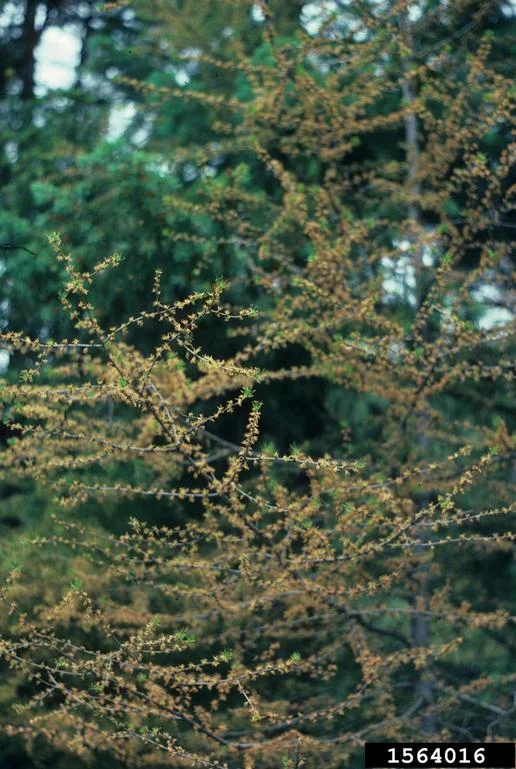
Larch Casebearer
Caterpillars of this species are very small and one of their first actions is to cut off a needle tip…
-
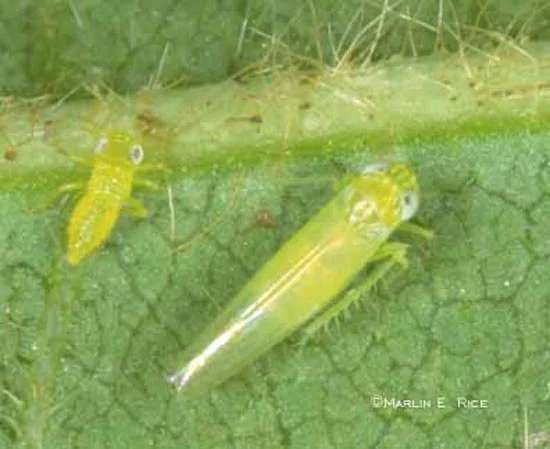
Leafhoppers
Leafhoppers will feed on the new growth of wisteria. The severity of infestation depends on the size of the migrating…
-
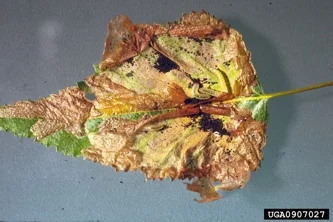
Leafminer
A moderately common pest problem observed on hawthorn trees in May and June is the hawthorn leafminer, Profenusa canadensis. The…
-
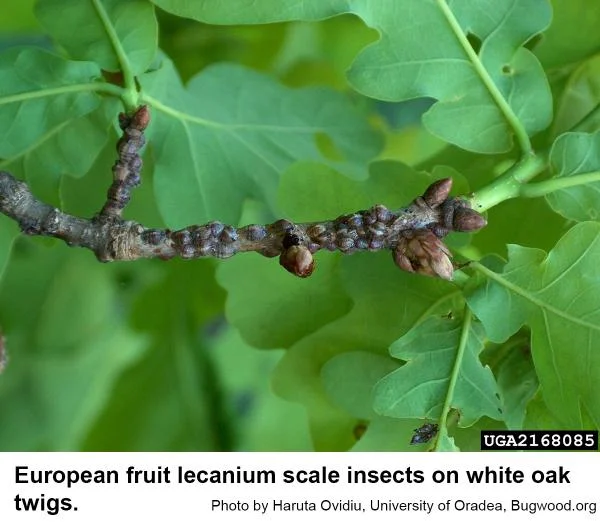
Lecanium Scale
The European fruit lecanium is a key soft scale insect pest of shade trees and other woody ornamental plants in…
-
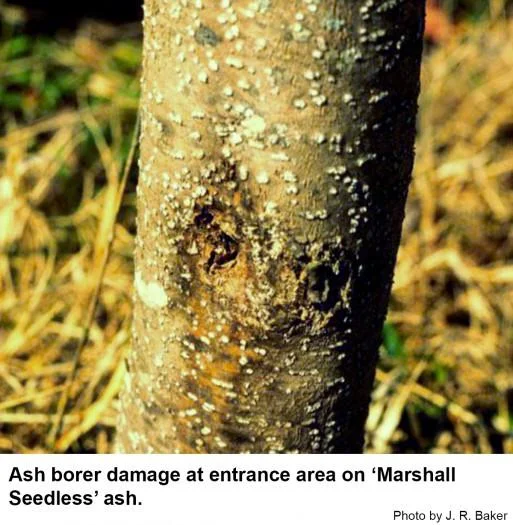
Lilac Borer
Adult lilac (ash) borers are moths that vary in color from brown to yellow to orange. They have clear wings…
-
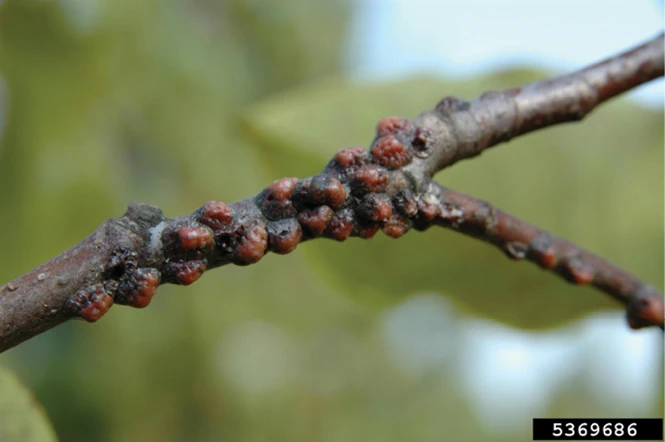
Magnolia Scale
The magnolia scale is one of the largest scale insects in the United States. It feeds only on magnolia. This…
-
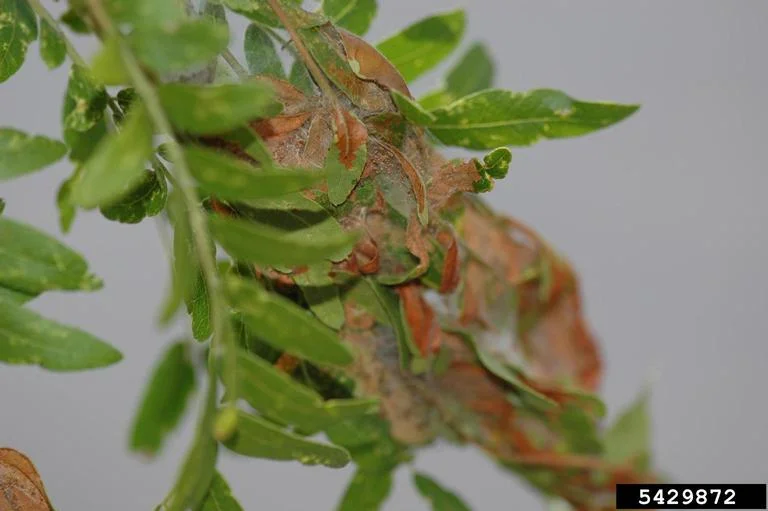
Mimosa Webworm
The mimosa webworm feeds primarily on the leaves on mimosa and honeylocust trees.
-
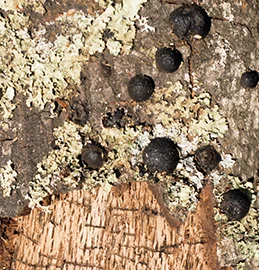
Oak Bark Beetle
Bark beetles, family Scolytidae, are common pests of conifers (such as pines) and some attack broadleaf trees. Over 600 species…
-
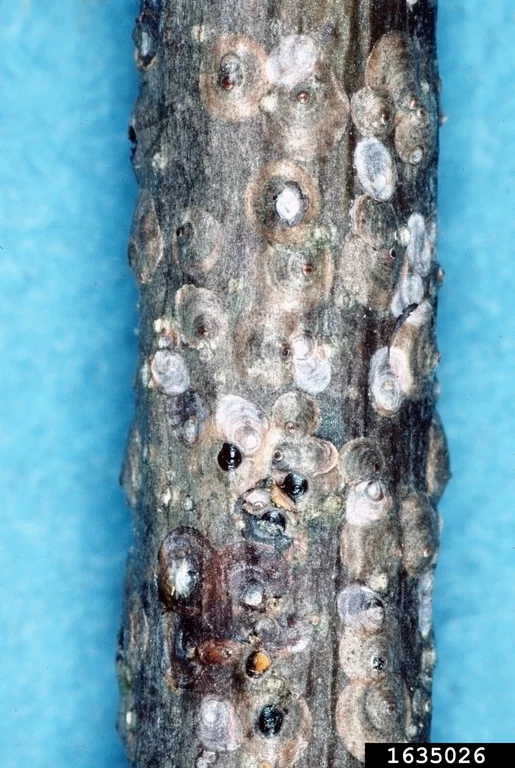
Obscure Scale
Obscure scale is a key pest of oak in Pennsylvania.
-
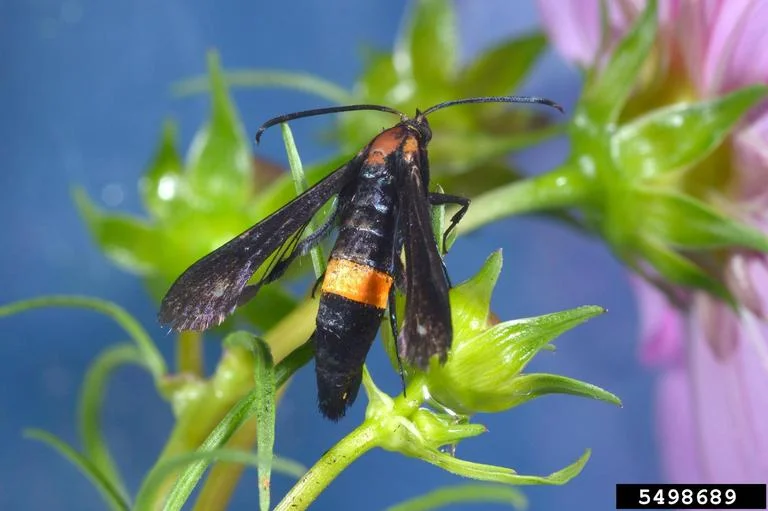
Peachtree Borer
The peachtree borer, a native insect, is a major pest of stone fruits in the United States and Canada.
-
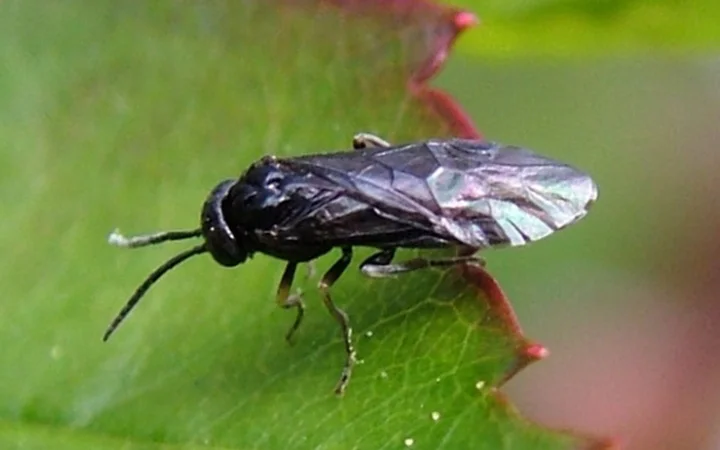
Pear Sawfly
Pear sawflies feed on hawthorn, serviceberry, pear, and other members of the rose family.
-
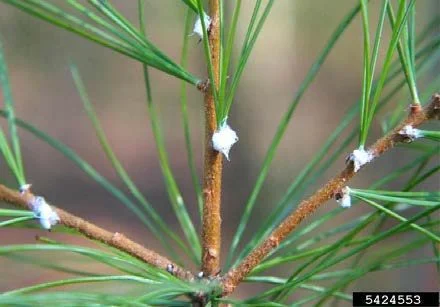
Pine Bark Adelgid
A tree heavily infested with pine bark adelgid may have the look of snow on its branches and trunk.
-
Pine Bark Beetle
These cylindrical, brown to black beetles are usually very small, 1/6 to 1/8-inch, but they can cause considerable damage. Fortunately,…
-
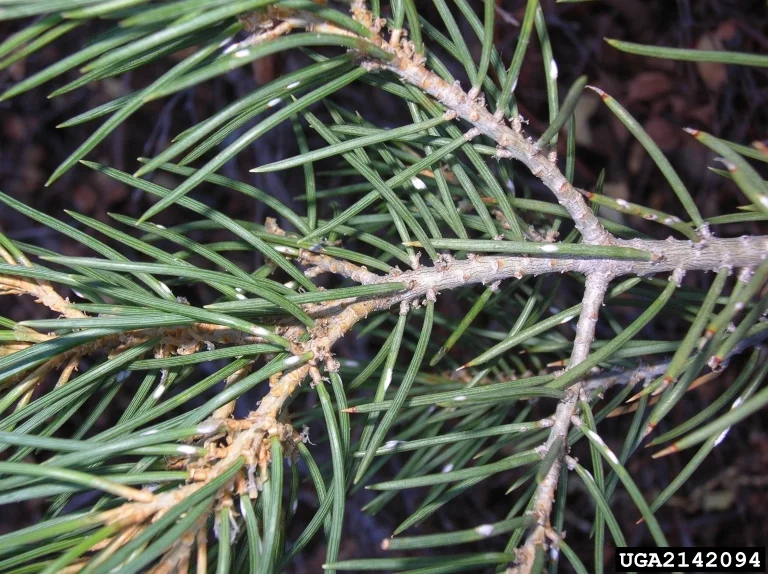
Pine Needle Scale
The pine needle scale is considered a key pest of pines in landscapes, nurseries, and Christmas tree plantations in Pennsylvania.
-
Pine Tube Moth
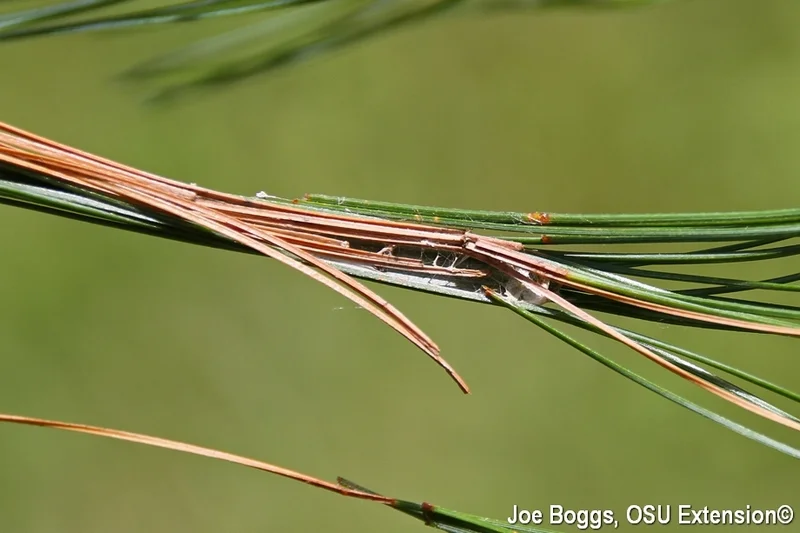
Individual Pine Tube Moth (Argyrotaenia pinatubana) caterpillars use silk to form a hollow tube by binding together 10 – 20 needles. They then move up and down their silk-lined tube to feed on the tips of the bound needles.
-
Privet Rust Mite
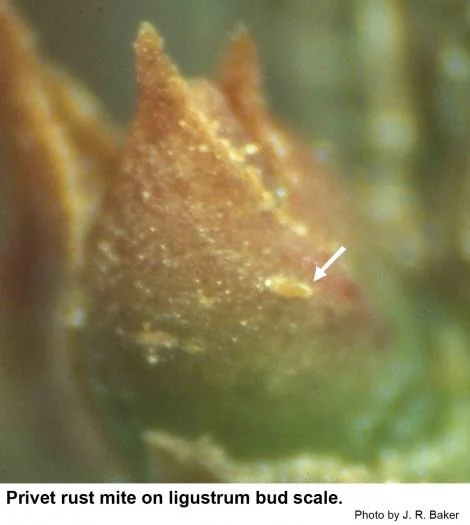
The privet rust mite, Aculus ligustri, is a microscopic mite with teeny-weeny, scissor-like mouthparts that it uses to puncture the epidermis of the leaves of ligustrum to feed.
-
Red Headed Pine Sawfly
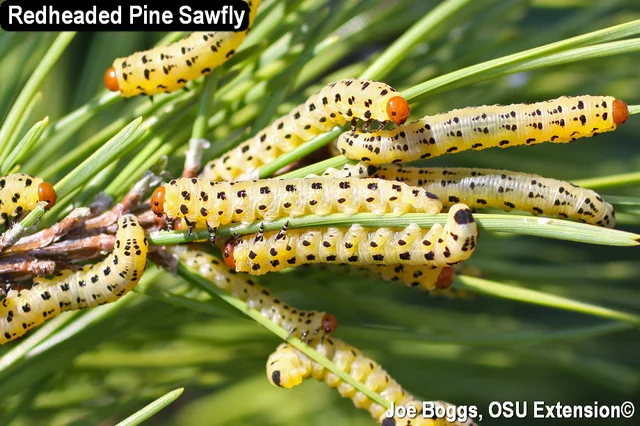
There are several species of sawflies that attack pines in Pennsylvania including the redheaded pine sawfly.
-
Rhododendron Borer
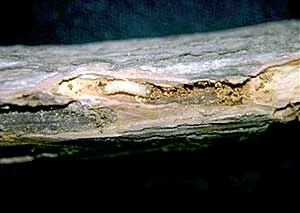
The rhododendron borer is one of the smallest clearwing borers found in Pennsylvania.
-
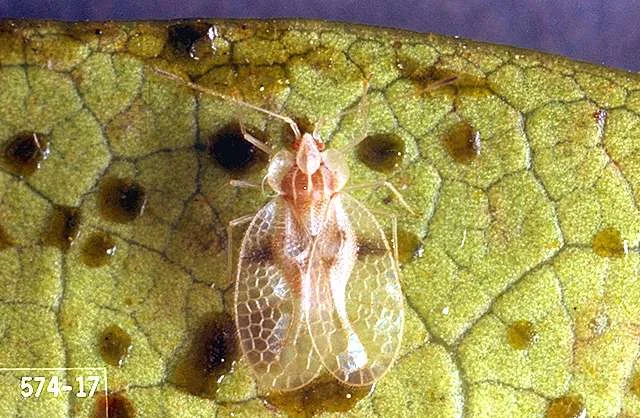
Rhododendron Lace Bug
Twenty-eight lace bug species have been recorded in Pennsylvania, but only a few are key pests of ornamental evergreen plants like azalea and rhododendron.
-
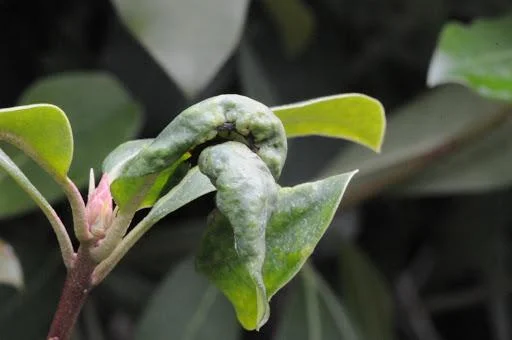
Rhododendron Tip Midge
The rhododendron tip midge is a light-brown, 1.25-mm-long fly.
-
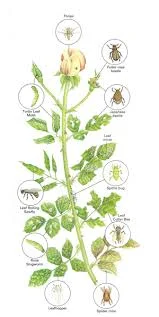
Rose General
Unfortunately, the numerous insects and related pests that attack roses can make growing them “interesting,” if not outright challenging.
-
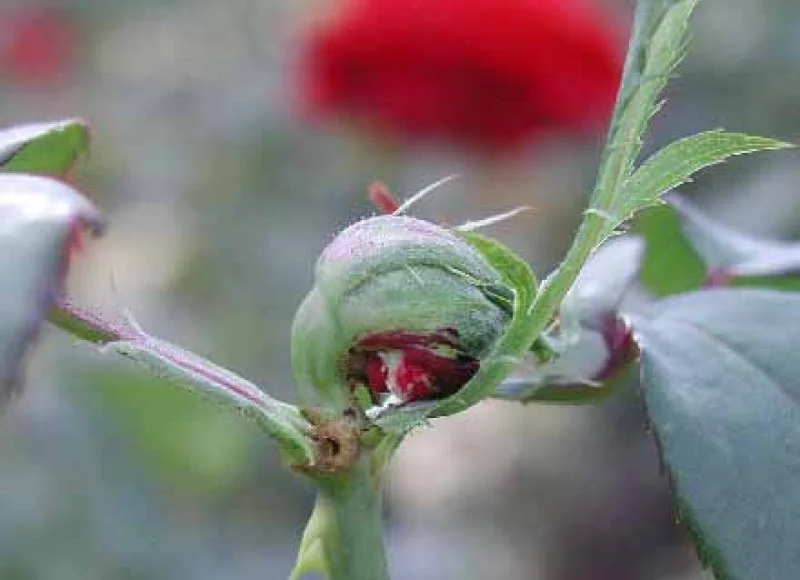
Rose Midge
The rose midge, Dasineura rhodophaga (Coquillett, 1900), is an uncommon but damaging pest of roses.
-
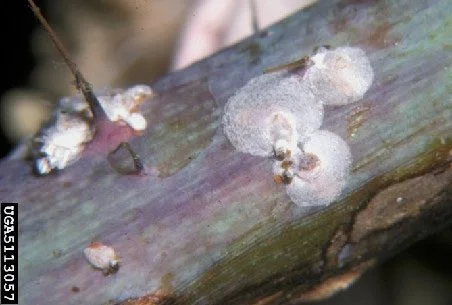
Rose Scale
This insect has a global distribution, and is commonly seen on Rosa and Rubus.
-
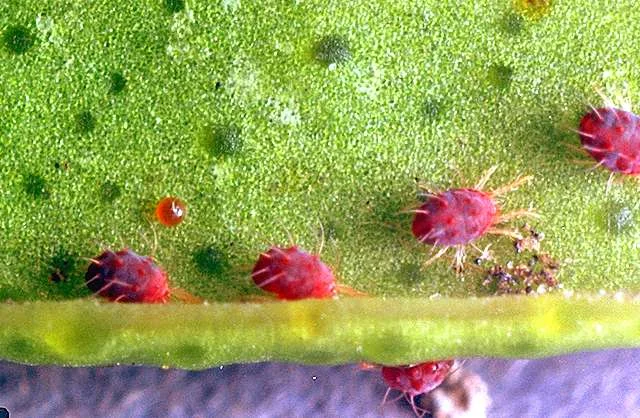
Rose Spider Mites
Spider mites are tiny 8 legged animals closely related to spiders. Several kinds are important pests of ornamental trees, shrubs and bedding plants. Under favorable conditions spider mites can build up rapidly and seriously threaten plant health.
-
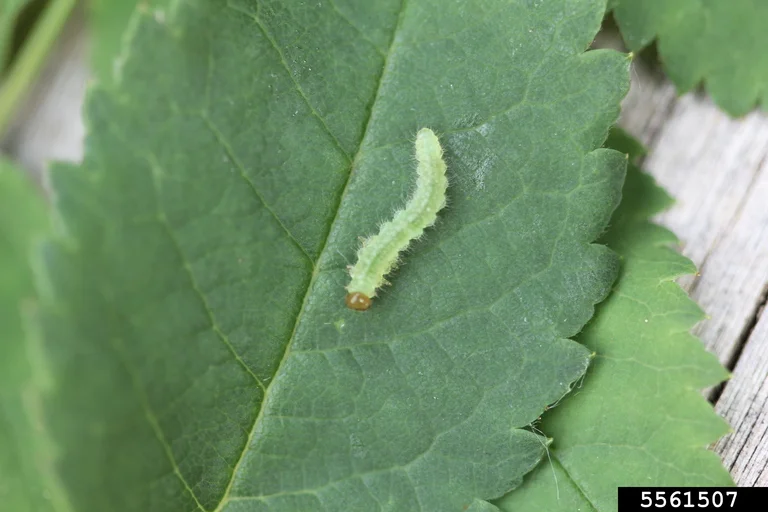
Roseslug Sawfly
The common roseslug, Endelomyia aethiops, can be found skeletonizing rose leaves in late spring and early summer.
-
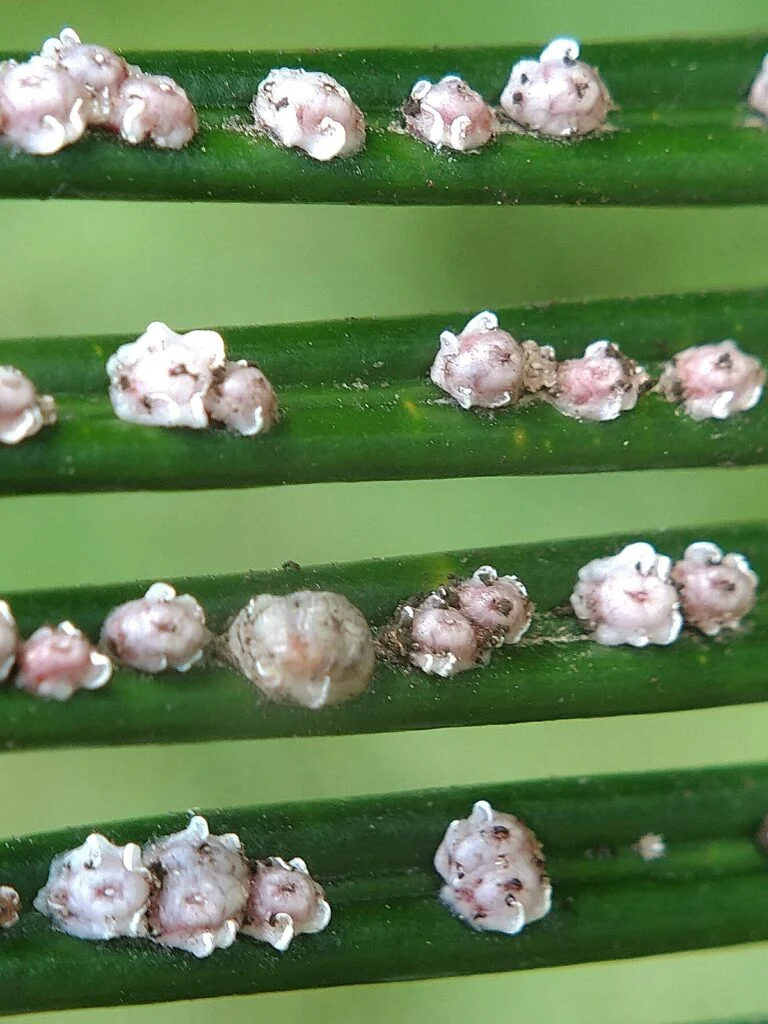
Scale Insects Fact Sheet
U.S. quarantine notes This species was intercepted 131 times at U. S. ports-of-entry between 1995 and 2012, with specimens originating from Brazil, China, France, India, Japan, Singapore, South Korea, Togo, and Vietnam.
-
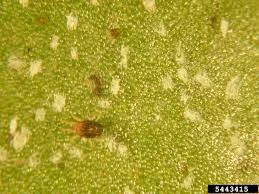
Southern Red Mite
The female adult is about 0.38 mm long and resembles a small spider.
-
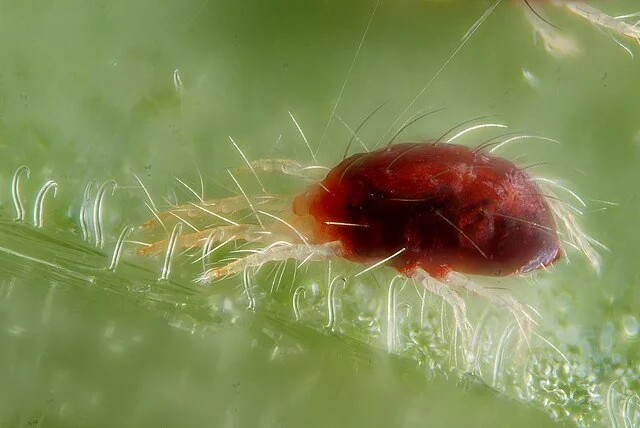
Spider Mites
Spider mites are not insects, and are more closely related to spiders.
-
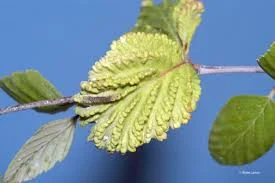
Spiny Witchhazel Gall Aphid
The aphid produces raised ribs or “corrugations” on the upper leaf surface that match deep furrows between the veins.
-
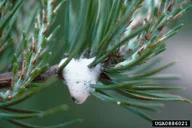
Spittlebug
This pest is most commonly recognized when the nymphs make the bubbly spittle masses on small branches of conifers.
-
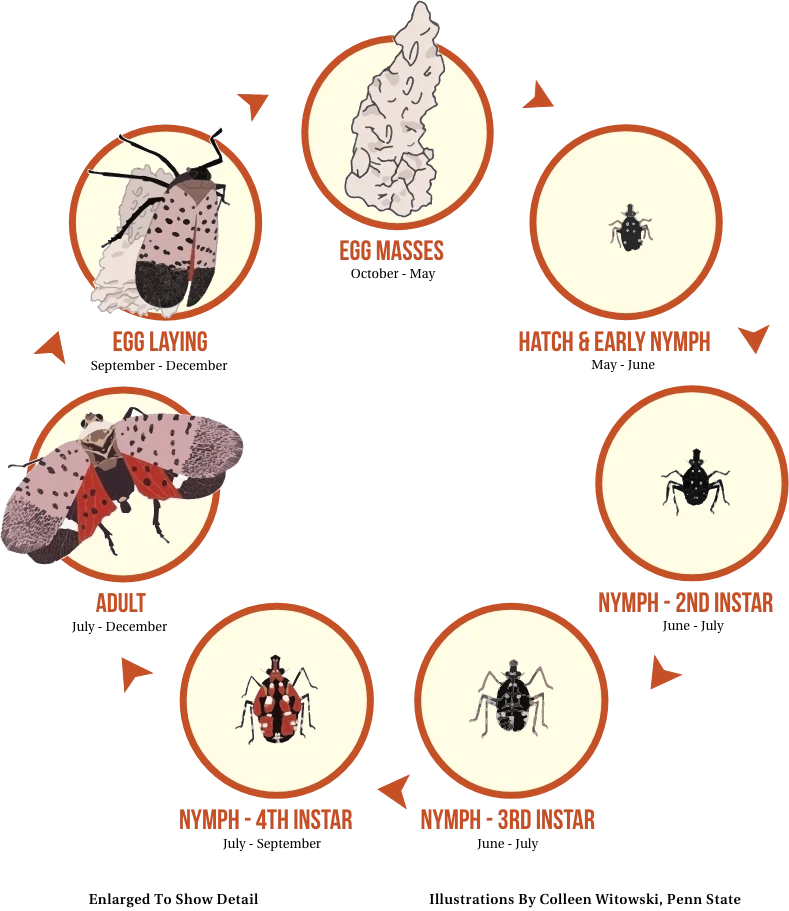
Spotted Lantern Fly
Lycorma delicatula , commonly known as the Spotted Lanternfly (SLF), is a new invasive insect that has spread throughout southeastern Pennsylvania since its discovery in Berks County in 2014. SLF presents a significant threat to Pennsylvania agriculture, including the grape, tree-fruit, hardwood and nursery industries, which collectively are worth nearly $18 billion to the state's economy.
-
Spruce Bud Scale
Spruce bud scale may often go unnoticed since their size and color can cause them to be mistaken for buds. They are round, reddish brown in color and are often clustered in-groups of three to eight at the base of new shoots. Lower branches are more often attacked than higher branches. Severe infestations can produce lots of honeydew that will allow sooty mold to grow.
-
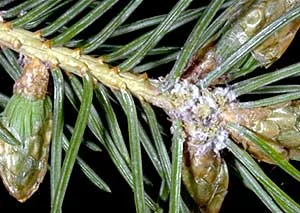
Spruce Gall Adelgid
The eastern spruce gall adelgid is a key pest of Norway spruce in northeastern United States.
-
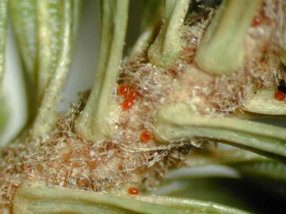
Spruce Spider Mite
The Spruce Spider Mite is considered one of the most destructive spider mites in the United States.
-
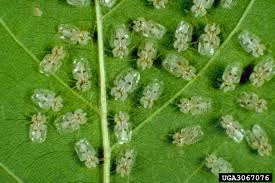
Sycamore Lacebug
Lace bugs are exclusively plant feeders. The most common species occur on the foliage of trees and shrubs.
-
Taxus Mealybug
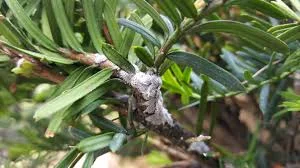
A small soft bodied insect covered with fine whitish wax, similar in appearance to soft scale.
-
Thrips
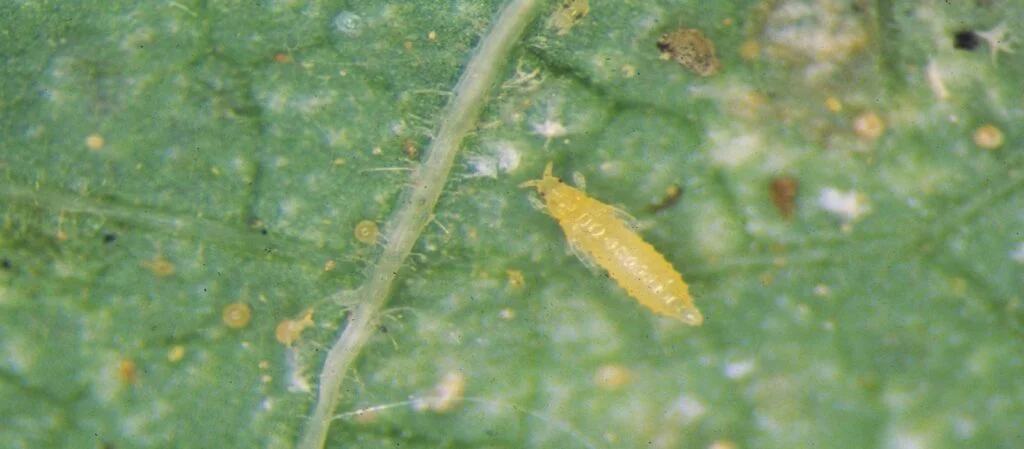
Thrips, order Thysanoptera, are tiny, slender insects with fringed wings.
-
Tuliptree Scale
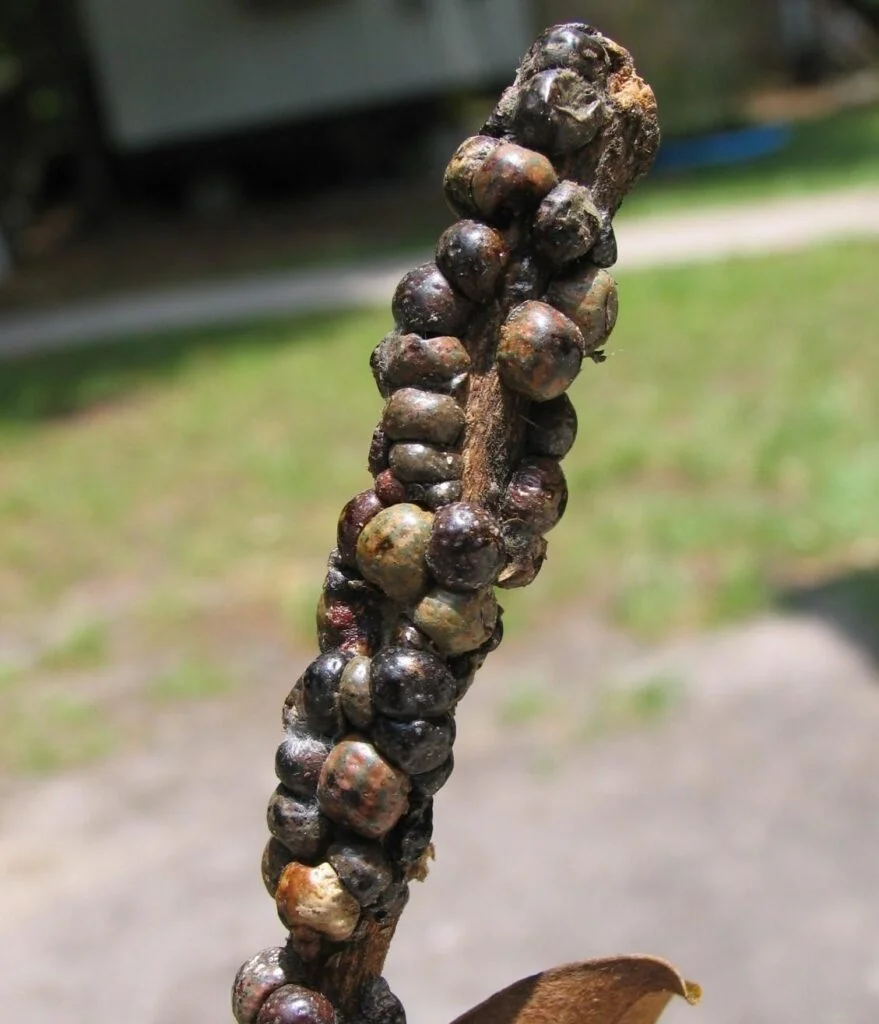
The tuliptree scale is one of the largest soft scale insects in the United States.
-
Two-lined Chestnut Borer
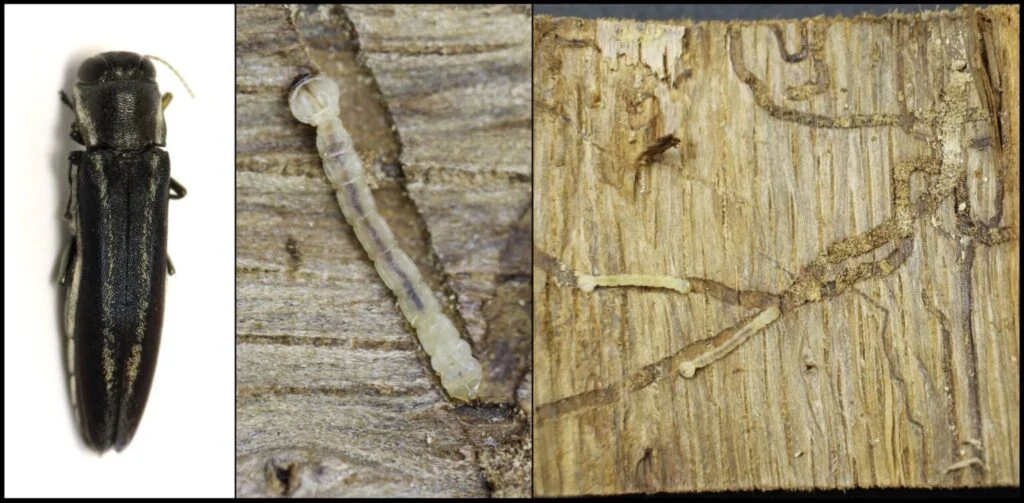
Adult two-lined chestnut borers are slender, black beetles with a bluish to greenish hue that are 1/5-1/2 inch (5-13 mm) long with two faint, yellowish stripes along their back. Larvae are legless, white, slender, and about 1 inch (2.5 cm) long when fully grown with two spines at the tip of the abdomen and have an enlarged, flattened front end, characteristic of the Buprestidae.
-
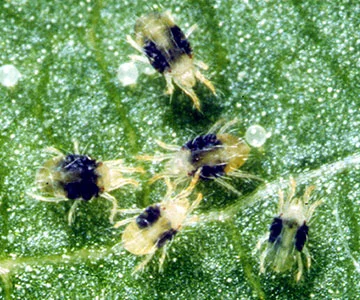
Two-Spotted Spider Mite
This plant pest seems to feed on just about everything in the landscape. Two-spotted spider mites reproduce faster and have more generations per year when the weather is hot, consistently in the upper 80's. Its host range is vast including annual flowers, ornamental grasses, herbaceous perennials, and woody trees and shrubs.
-
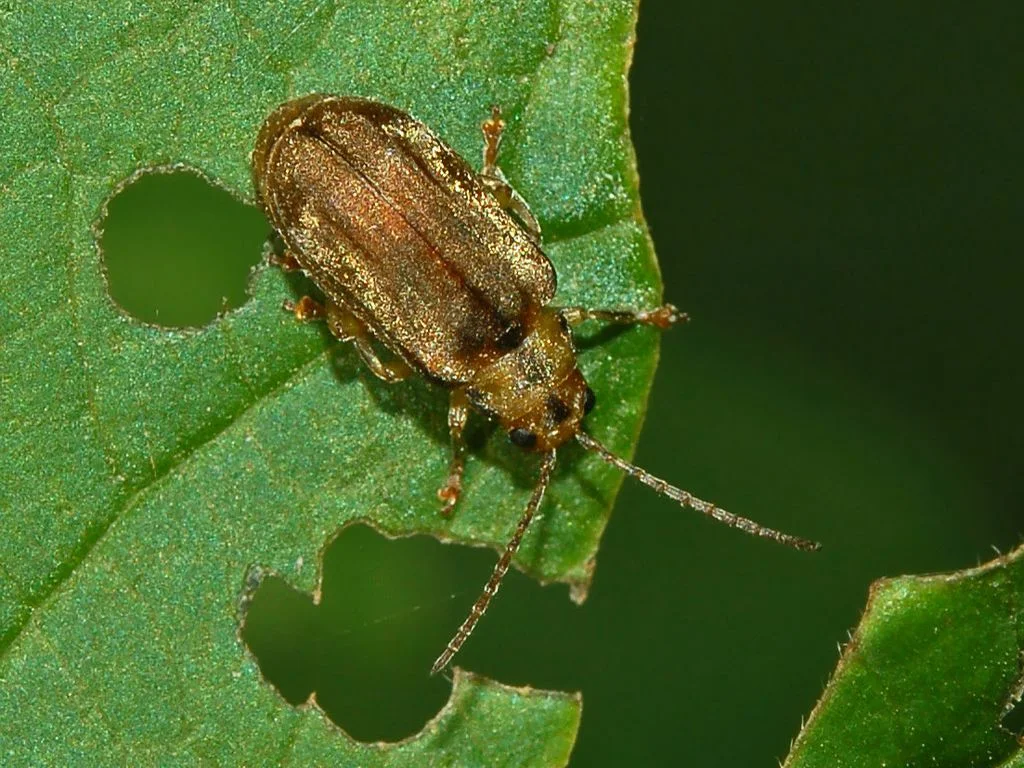
Viburnum Leaf Beetle
An invasive species, the viburnum leaf beetle has the potential to become a serious problem in nurseries and landscapes in Pennsylvania.
-
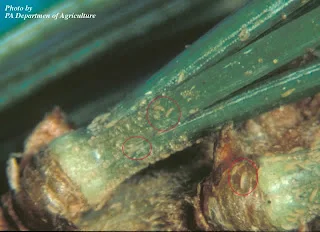
White Pine Sheath Mite
Eriophyid mites are distinctly different from the typical spider mite. They are extremely small and only have two pairs of legs in all active stages. The body is wedge or carrot shaped and light tan or pinkish
-
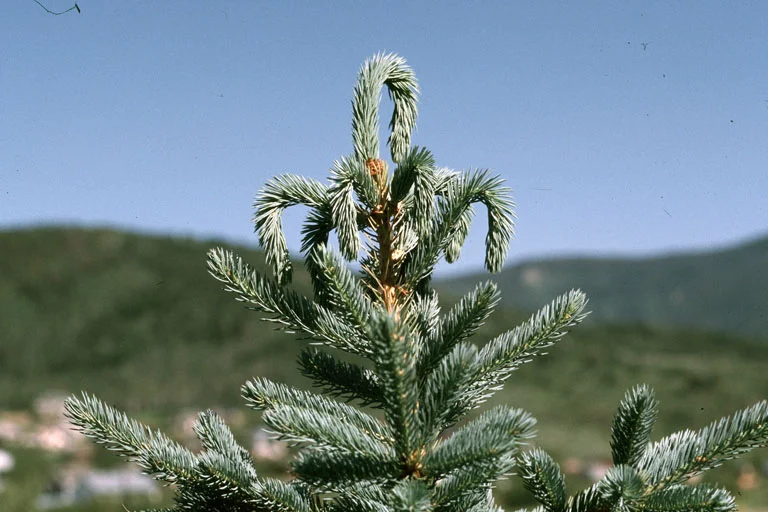
White Pine Weevil
The white pine weevil is considered the most destructive insect pest of eastern white pine in North America.
-
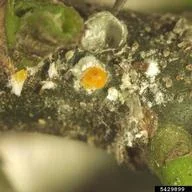
White Prunicola Scale
What was formerly considered to be a single species of scale known as the white peach scale, has been determined to actually involve two species, one commonly known as the white peach scale, Pseudaulacaspis pentagona, and the other, Pseudaulacaspis prunicola, with the suggested common name of white prunicola scale (WPS). The WPS is the species found on Long Island, whereas white peach scale is more southern in its geographic distribution.
-
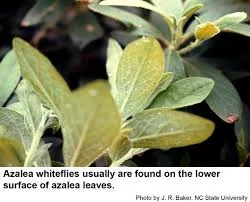
Whitefly
Whiteflies are white insects with pale yellow bodies that are approximately 2 mm long.
-
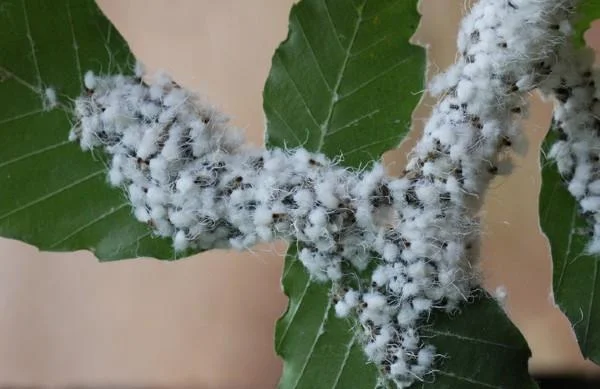
Woolly Beech Aphids
These sap-sucking insects cover themselves with waxy filaments to deter predators.