

-
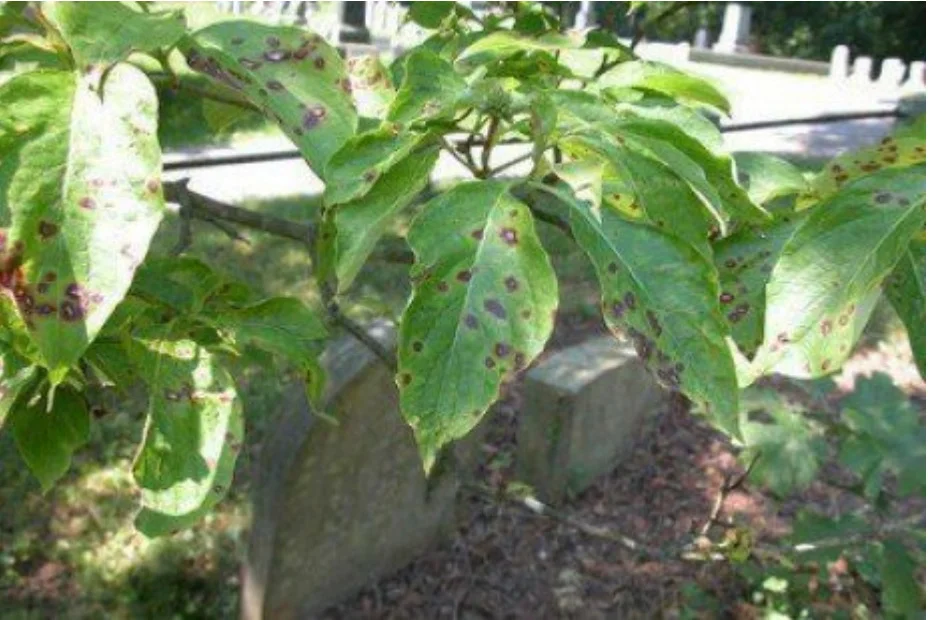
Anthracnose
Many deciduous hardwoods are susceptible to a leaf disease called anthracnose that is caused by various species of the fungus Anthracnose.
-
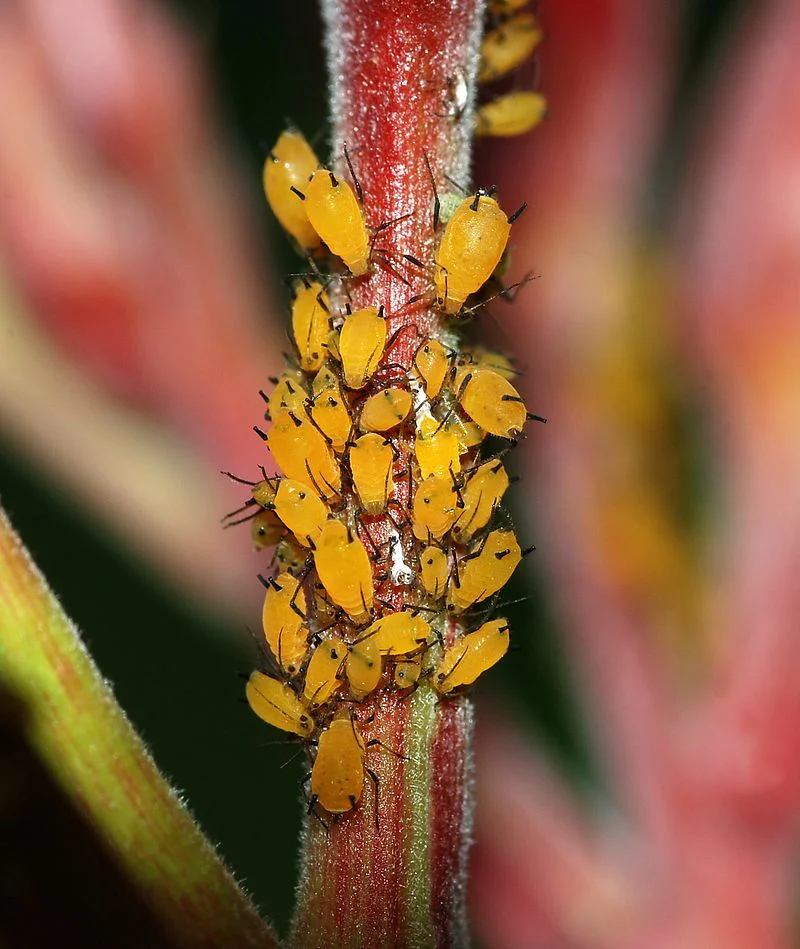
Aphids
Many species of aphids or plant lice occur on ornamental trees and shrubs in Pennsylvania.
-
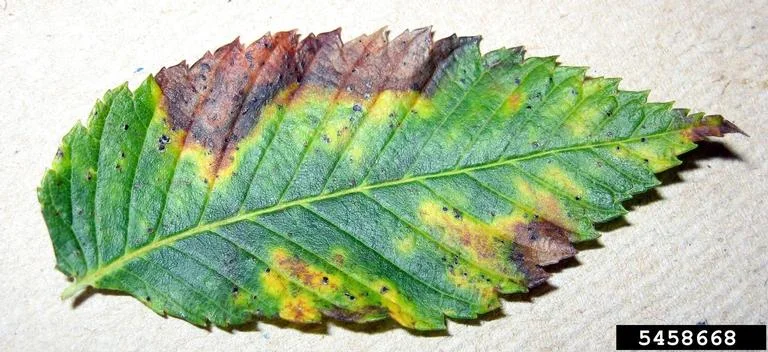
Bacterial Leaf Scorch
Leaf scorch, sometimes called marginal leaf burn, describes the death of tissue along the edge of the leaf. This symptom develops when sufficient water does not reach the leaf margin cells. This can occur if 1) there is insufficient moisture in the soil 2) water is lost too quickly from the leaves to be replaced adequately, 3)roots have been killed by plant pathogens, excavation, or compaction or 4) fungi or bacteria invade and plug the water conducting vessels (xylem) in the plant.
-
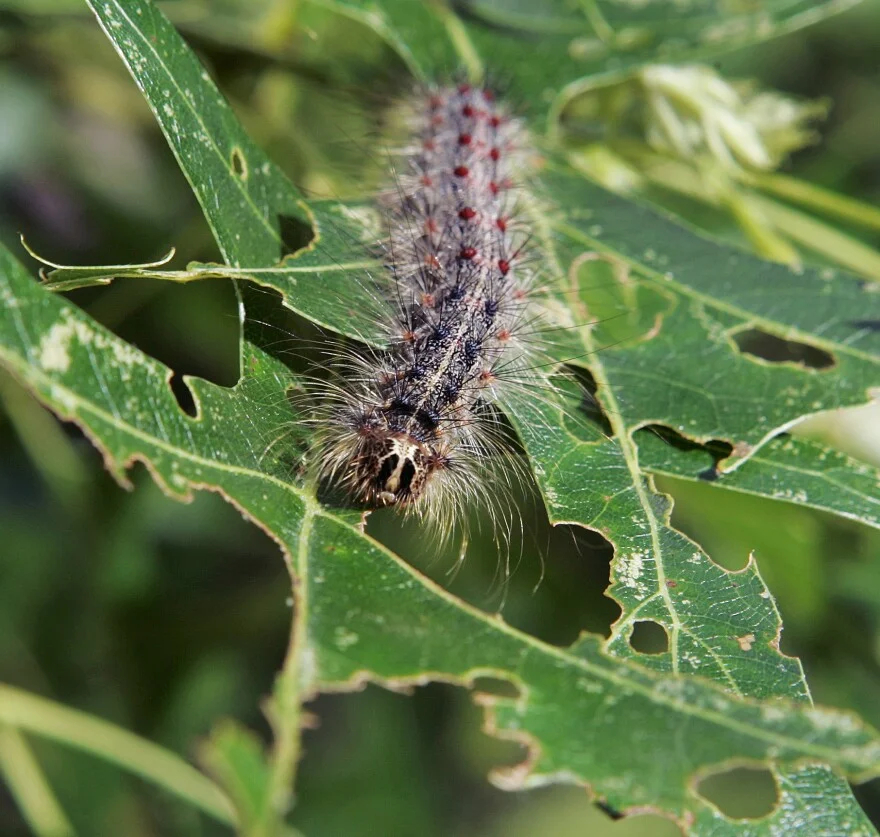
Gypsy Moth
The gypsy moth was accidentally introduced into Massachusetts in 1869.
-
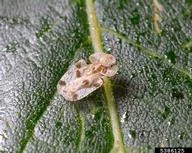
Lace Bug
About 160 species of lace bugs have been described in North America.
-
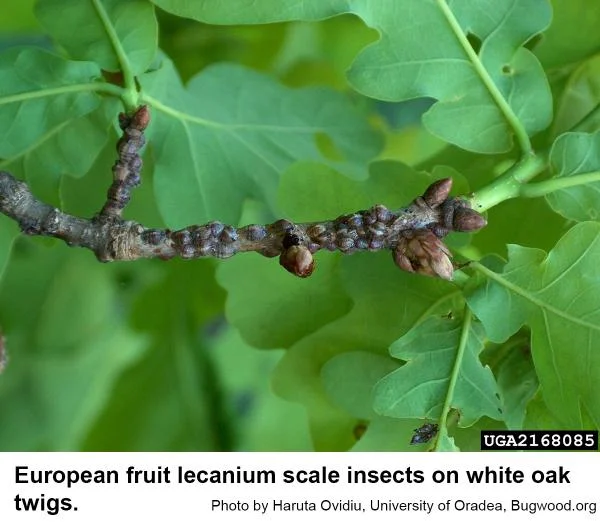
Lecanium Scale
The European fruit lecanium is a key soft scale insect pest of shade trees and other woody ornamental plants in…
-
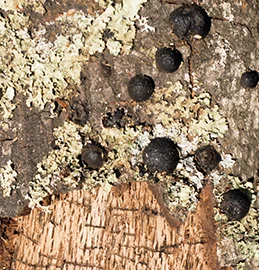
Oak Bark Beetle
Bark beetles, family Scolytidae, are common pests of conifers (such as pines) and some attack broadleaf trees. Over 600 species…
-
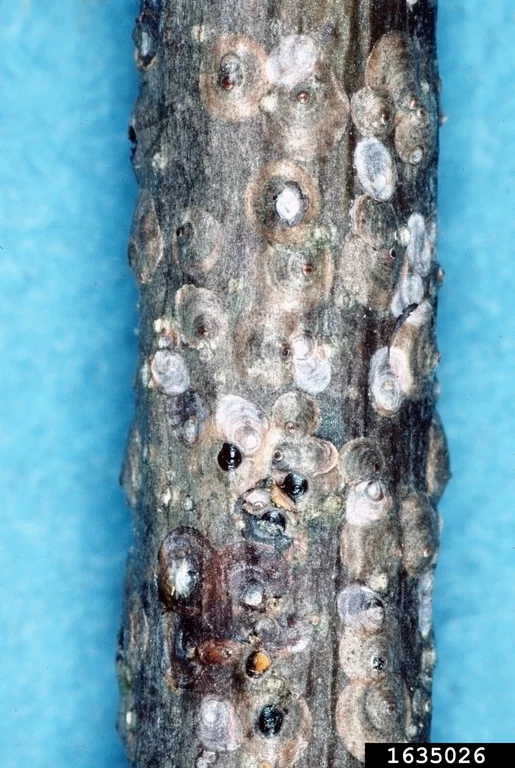
Obscure Scale
Obscure scale is a key pest of oak in Pennsylvania.
-
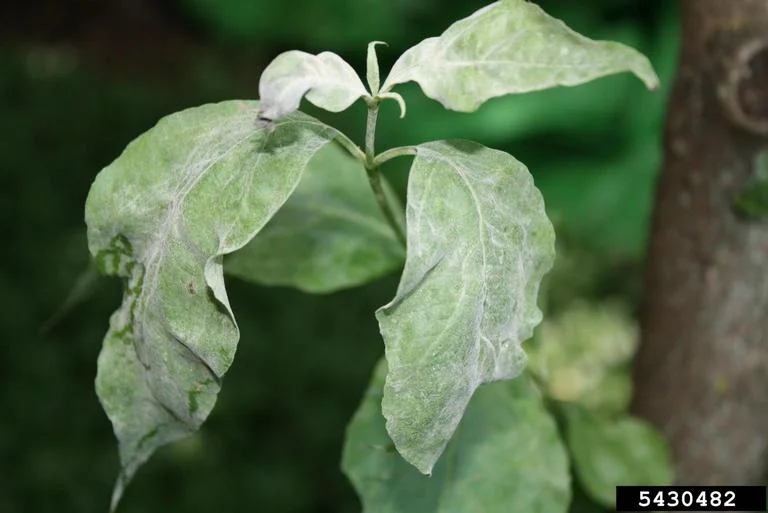
Powdery Mildew Cross Listing
While some powdery mildews attack a very few specific plants, others have a broad host range and infect many different…
-
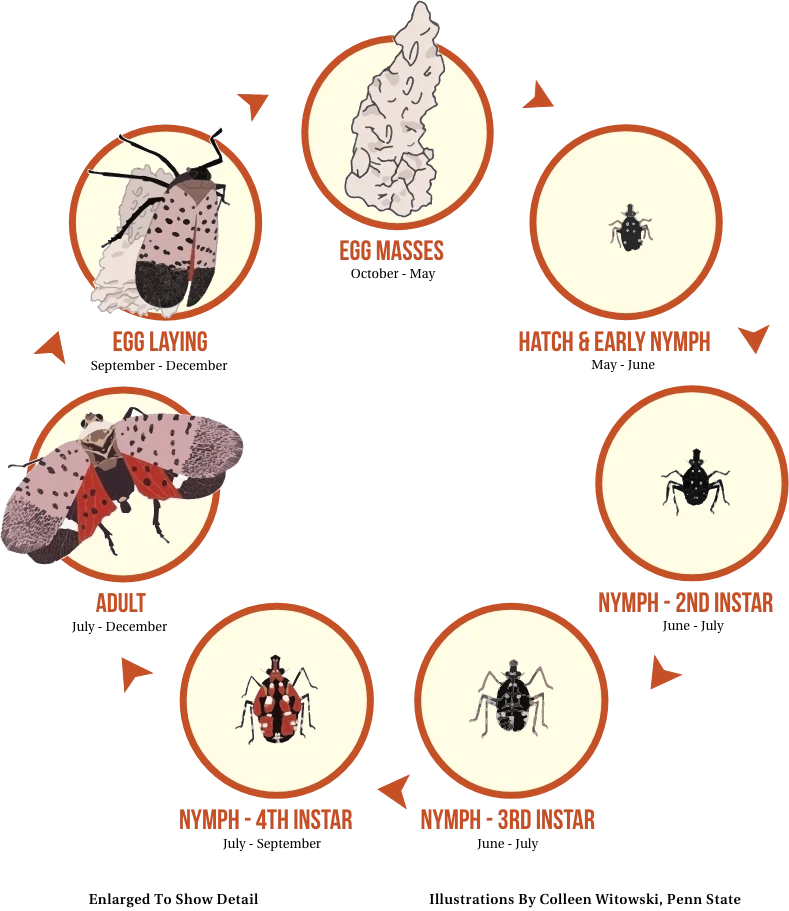
Spotted Lantern Fly
Lycorma delicatula , commonly known as the Spotted Lanternfly (SLF), is a new invasive insect that has spread throughout southeastern Pennsylvania since its discovery in Berks County in 2014. SLF presents a significant threat to Pennsylvania agriculture, including the grape, tree-fruit, hardwood and nursery industries, which collectively are worth nearly $18 billion to the state's economy.
-
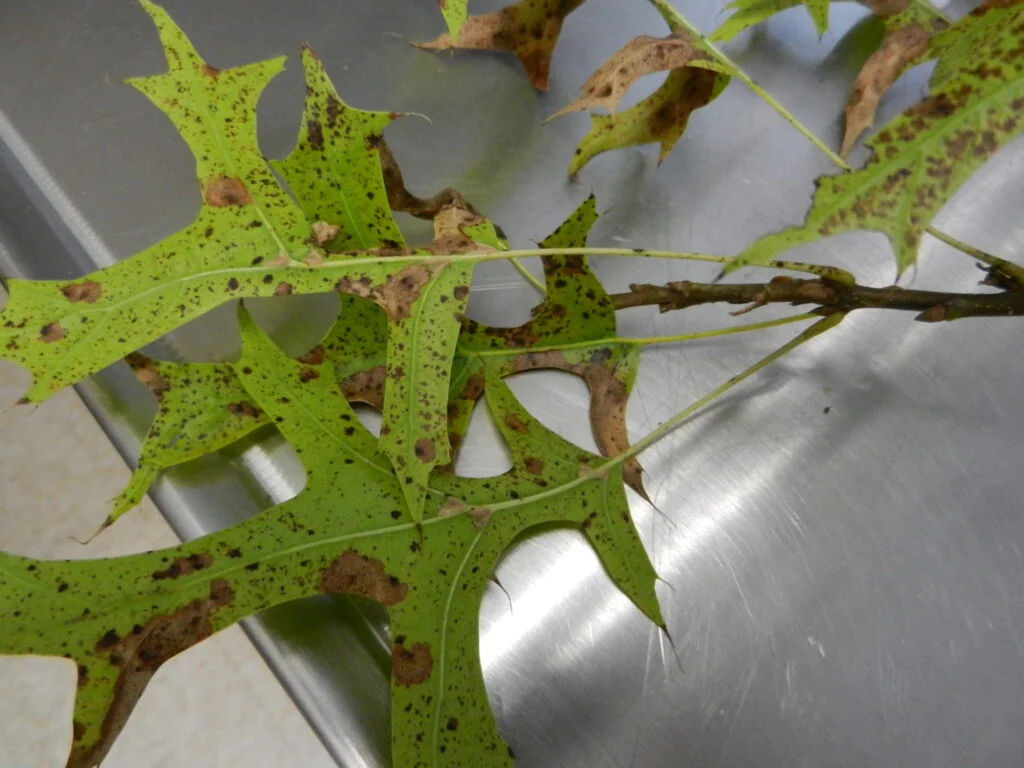
Tubakia Leaf Spot
Tubakia leaf spot is different than anthracnose, so consultants and homeowners have questioned whether they should be concerned. This disease is not new but is still not as well known as anthracnose.
-
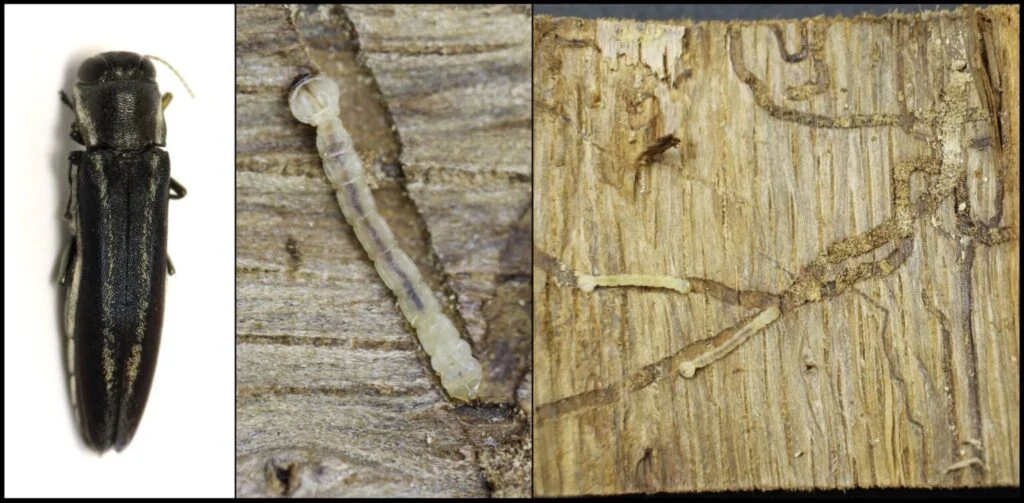
Two-lined Chestnut Borer
Adult two-lined chestnut borers are slender, black beetles with a bluish to greenish hue that are 1/5-1/2 inch (5-13 mm) long with two faint, yellowish stripes along their back. Larvae are legless, white, slender, and about 1 inch (2.5 cm) long when fully grown with two spines at the tip of the abdomen and have an enlarged, flattened front end, characteristic of the Buprestidae.