

-
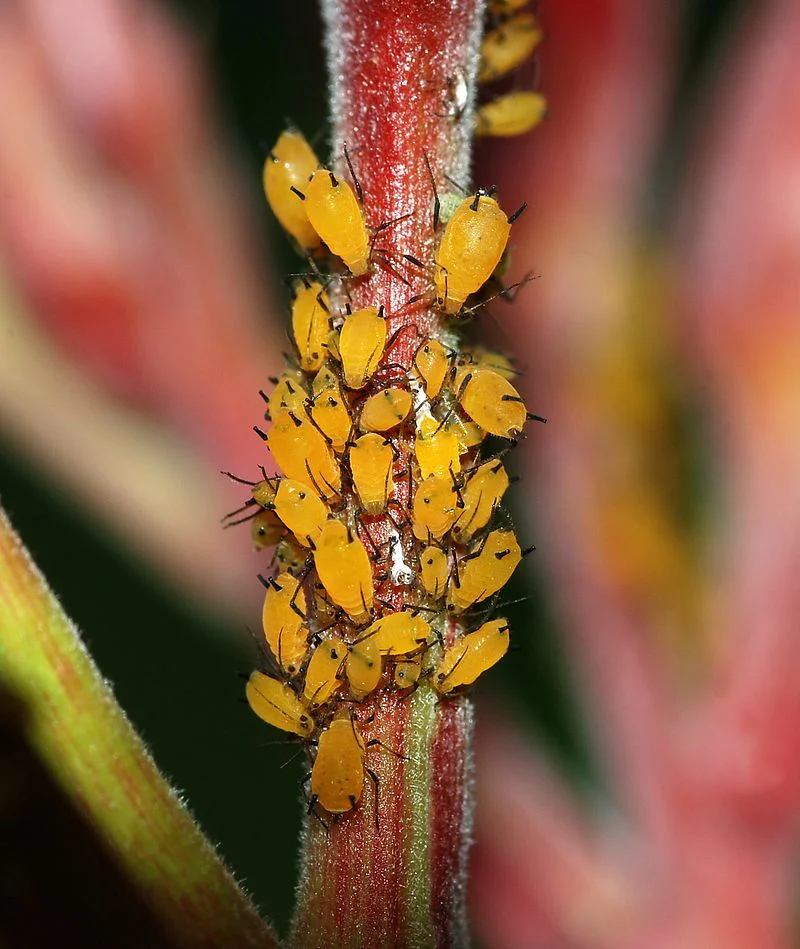
Aphids
Many species of aphids or plant lice occur on ornamental trees and shrubs in Pennsylvania.
-
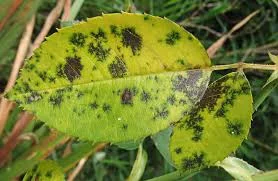
Black Spot
A common disease of roses called black spot is caused by the fungus Diplocarpon rosae. This fungus readily attacks young expanding leaves and young canes. Fungal spores which were formed on infected fallen leaves or on canes are splashed to the new lower leaves of roses in the spring by rain or sprinkler irrigation. The spores must remain wet for several hours in order for the spore to germinate and invade the leaf. If temperatures are warm following infection, symptoms may become visible in 3 days. New spores can form in as few as 10 days after infection. Thus under some conditions the fungus can infect a plant, begin producing new spores, and spread to other leaves within two weeks.
-
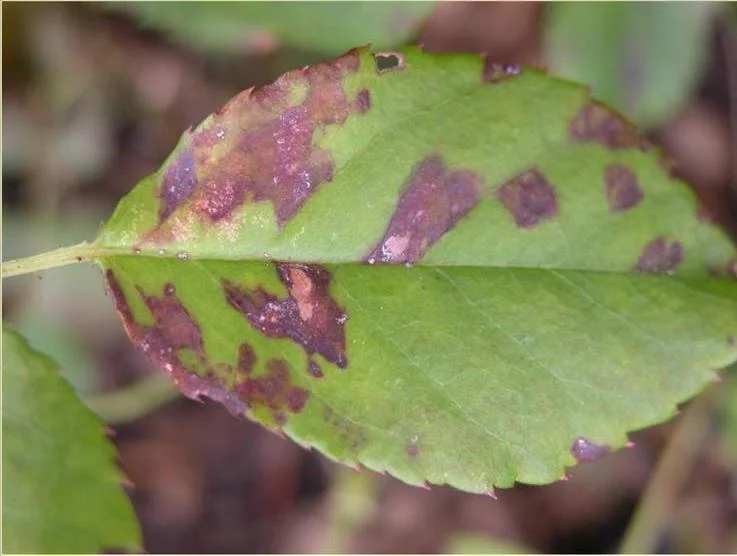
Downy Mildew
Downy mildew is the common name for a group of highly specialized obligate parasites of vascular plants.
-
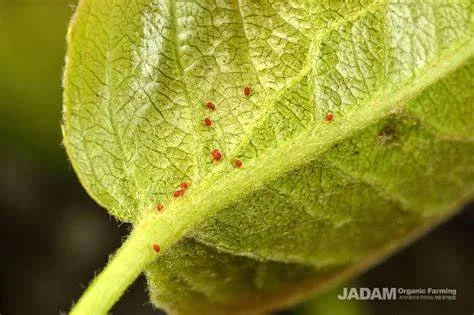
European Red Mite
The European red mite (ERM) is the most important mite species attacking tree fruits in North America.
-
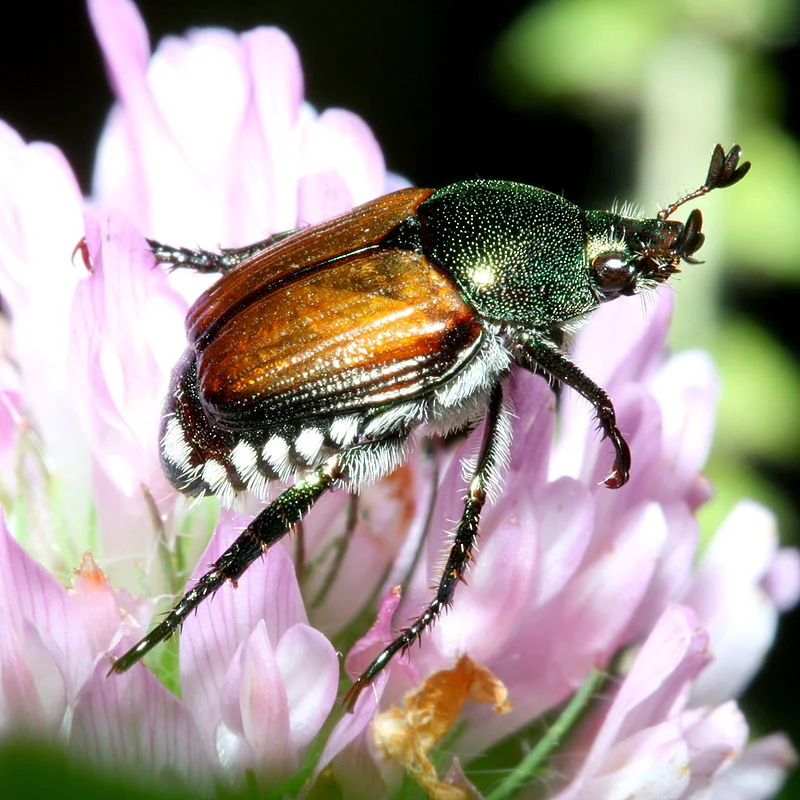
Japanese Beetle
Japanese beetle adults have metallic green bodies with coppery brown wing covers surrounded with 12 white tufts of hair.
-
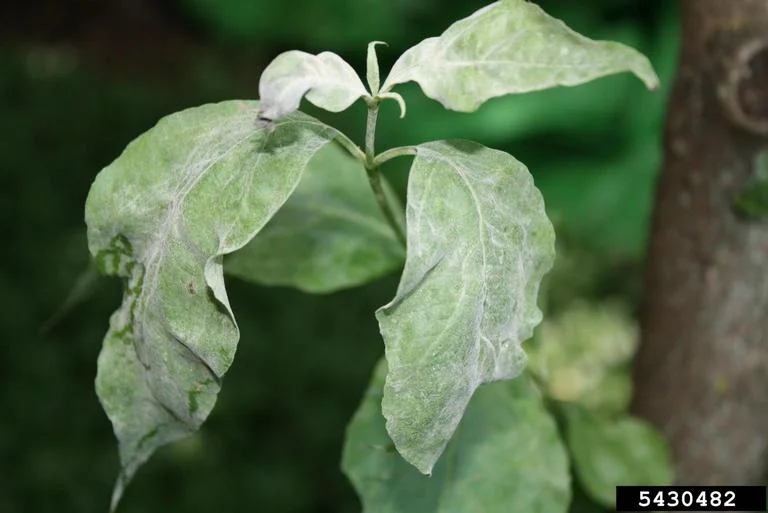
Powdery Mildew Cross Listing
While some powdery mildews attack a very few specific plants, others have a broad host range and infect many different…
-
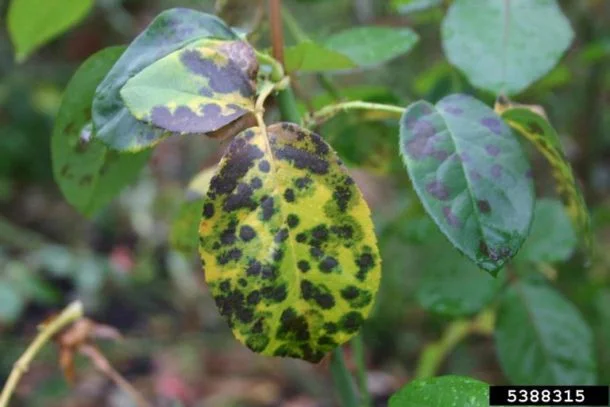
Rose Diseases
An overview of the types of diseases that affect the Roses.
-
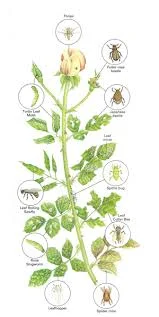
Rose General
Unfortunately, the numerous insects and related pests that attack roses can make growing them “interesting,” if not outright challenging.
-
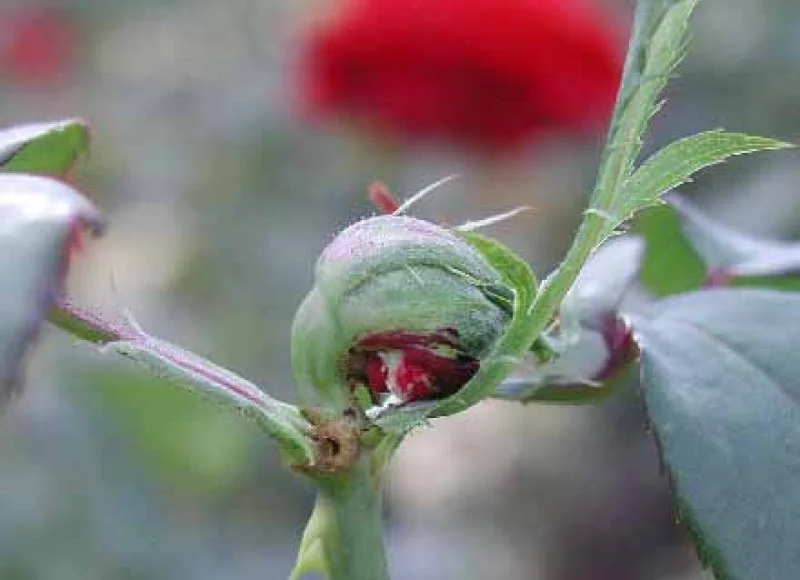
Rose Midge
The rose midge, Dasineura rhodophaga (Coquillett, 1900), is an uncommon but damaging pest of roses.
-
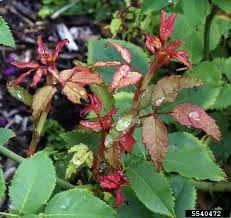
Rose Rosette Disease
Rose rosette disease has been spreading through much of the wild rose population of the Midwestern, Southern, and Eastern United States.
-
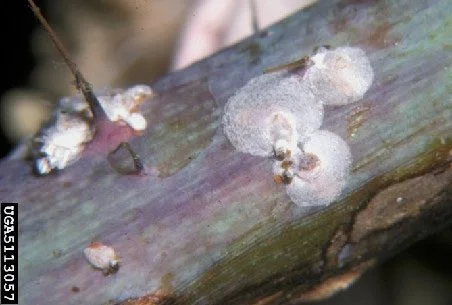
Rose Scale
This insect has a global distribution, and is commonly seen on Rosa and Rubus.
-
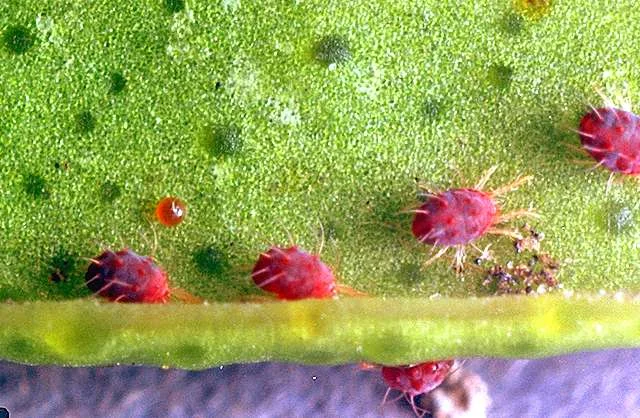
Rose Spider Mites
Spider mites are tiny 8 legged animals closely related to spiders. Several kinds are important pests of ornamental trees, shrubs and bedding plants. Under favorable conditions spider mites can build up rapidly and seriously threaten plant health.
-
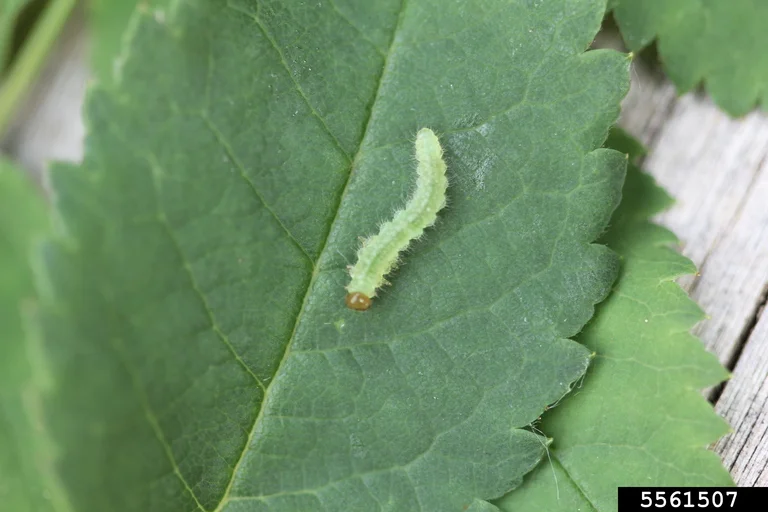
Roseslug Sawfly
The common roseslug, Endelomyia aethiops, can be found skeletonizing rose leaves in late spring and early summer.
-
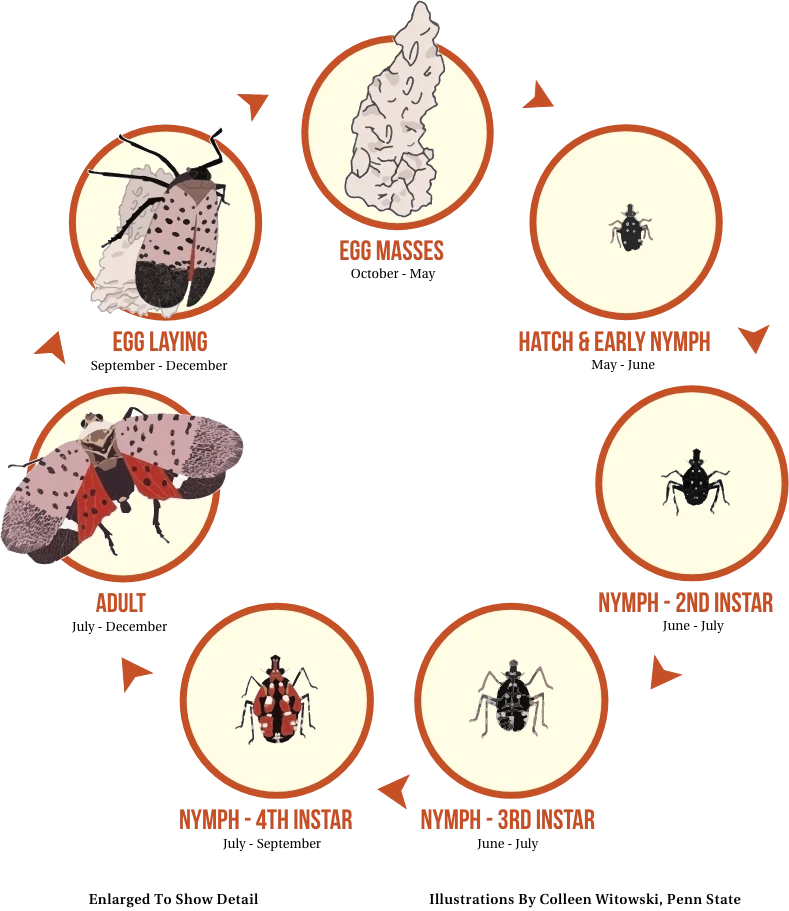
Spotted Lantern Fly
Lycorma delicatula , commonly known as the Spotted Lanternfly (SLF), is a new invasive insect that has spread throughout southeastern Pennsylvania since its discovery in Berks County in 2014. SLF presents a significant threat to Pennsylvania agriculture, including the grape, tree-fruit, hardwood and nursery industries, which collectively are worth nearly $18 billion to the state's economy.
-
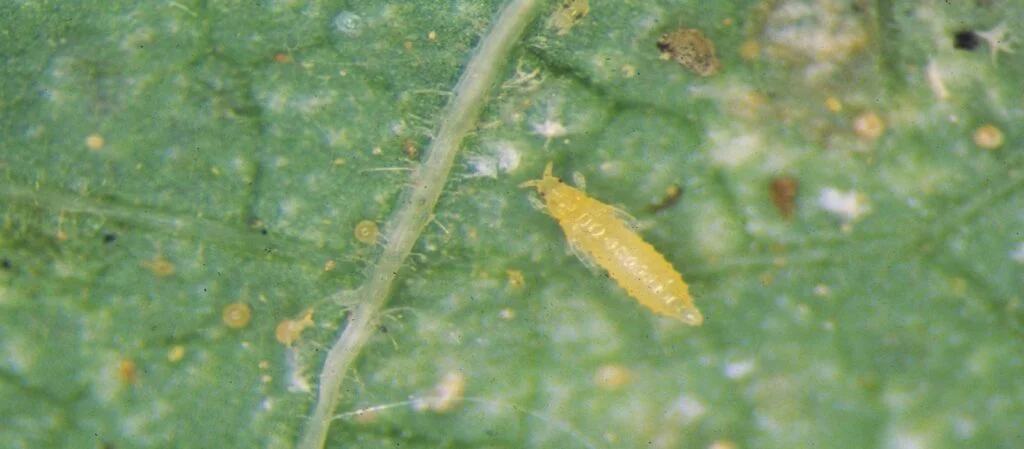
Thrips
Thrips, order Thysanoptera, are tiny, slender insects with fringed wings.
-
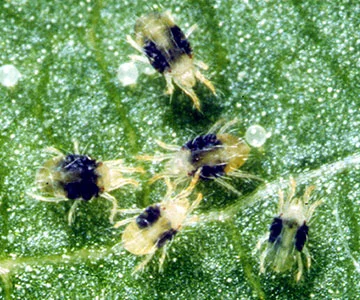
Two-Spotted Spider Mite
This plant pest seems to feed on just about everything in the landscape. Two-spotted spider mites reproduce faster and have more generations per year when the weather is hot, consistently in the upper 80's. Its host range is vast including annual flowers, ornamental grasses, herbaceous perennials, and woody trees and shrubs.