

-
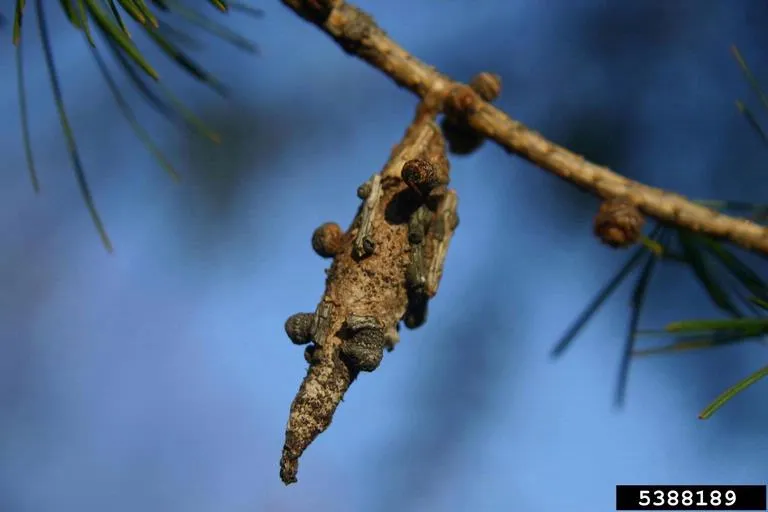
Bagworms
Bagworm is a caterpillar that molts into a moth in the adult stage. They are easiest to identify by the bags they construct as they feed. Damage includes needle discoloration and injury.
-
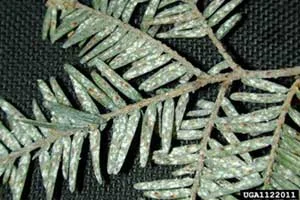
Elongate Hemlock Scale
The elongate hemlock scale sometime known as the fiorinia scale, is a serious scaled insect pest of hemlock.
-
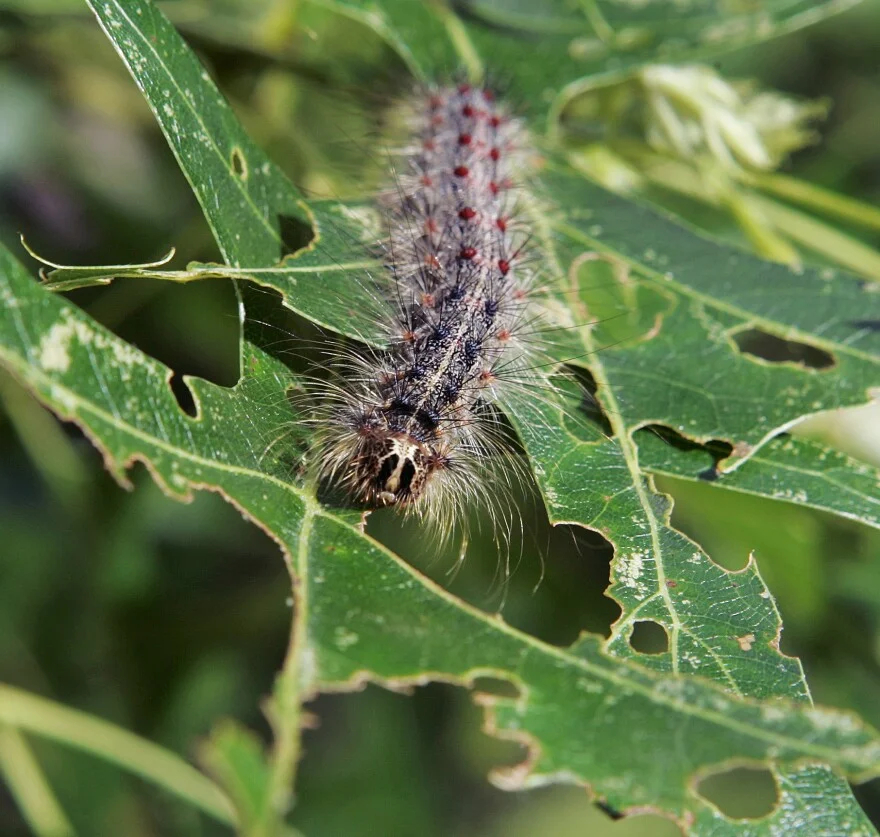
Gypsy Moth
The gypsy moth was accidentally introduced into Massachusetts in 1869.
-
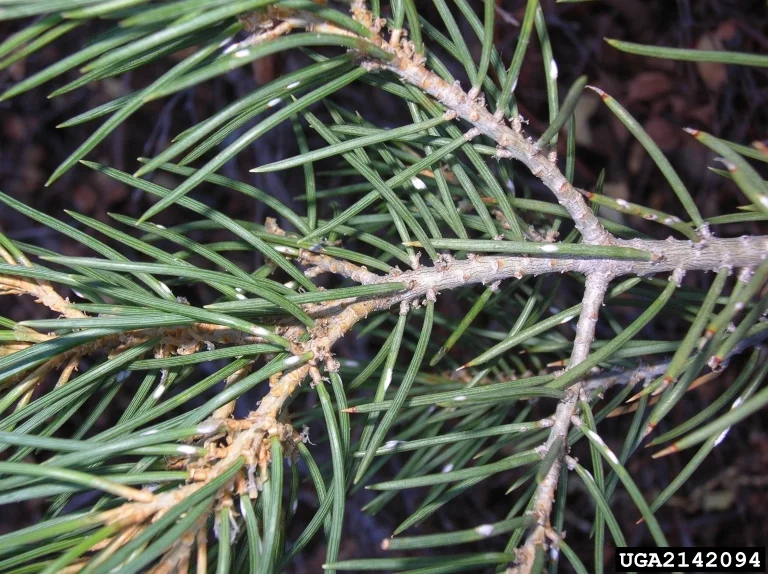
Pine Needle Scale
The pine needle scale is considered a key pest of pines in landscapes, nurseries, and Christmas tree plantations in Pennsylvania.
-
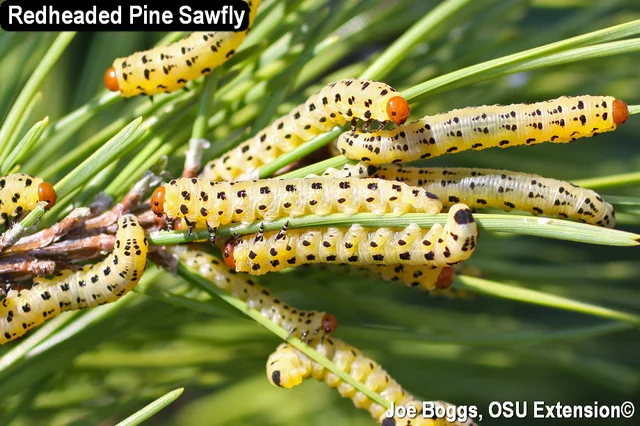
Red Headed Pine Sawfly
There are several species of sawflies that attack pines in Pennsylvania including the redheaded pine sawfly.
-
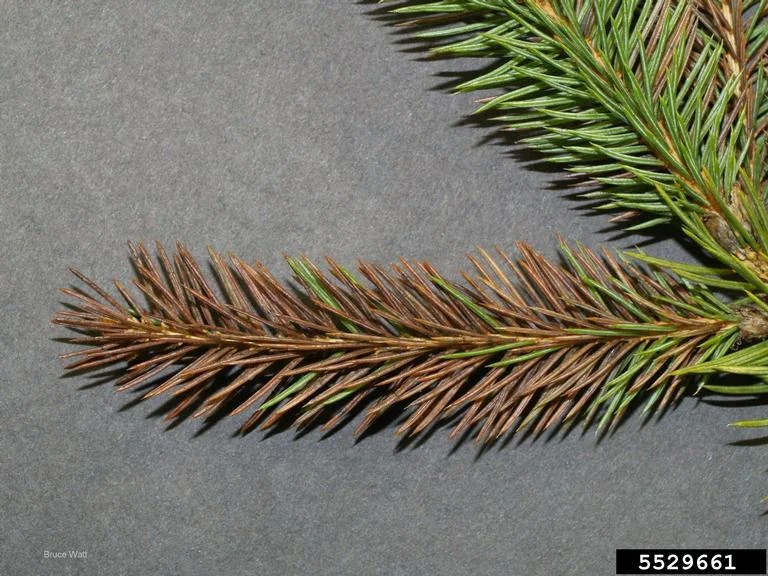
Rhizosphaera Needle Cast
Rhizosphaera needlecast disease is caused by the fungus Rhizosphaera kalkhoffii Bubak.
-
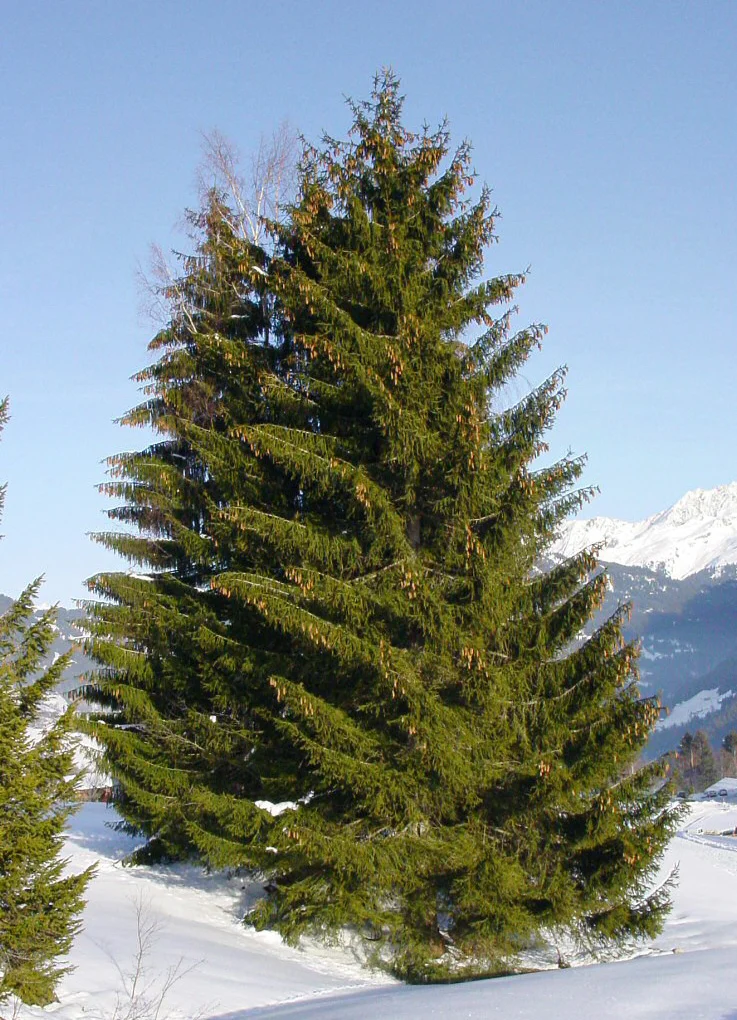
Spruce Bud Scale
Spruce bud scale may often go unnoticed since their size and color can cause them to be mistaken for buds. They are round, reddish brown in color and are often clustered in-groups of three to eight at the base of new shoots. Lower branches are more often attacked than higher branches. Severe infestations can produce lots of honeydew that will allow sooty mold to grow.
-
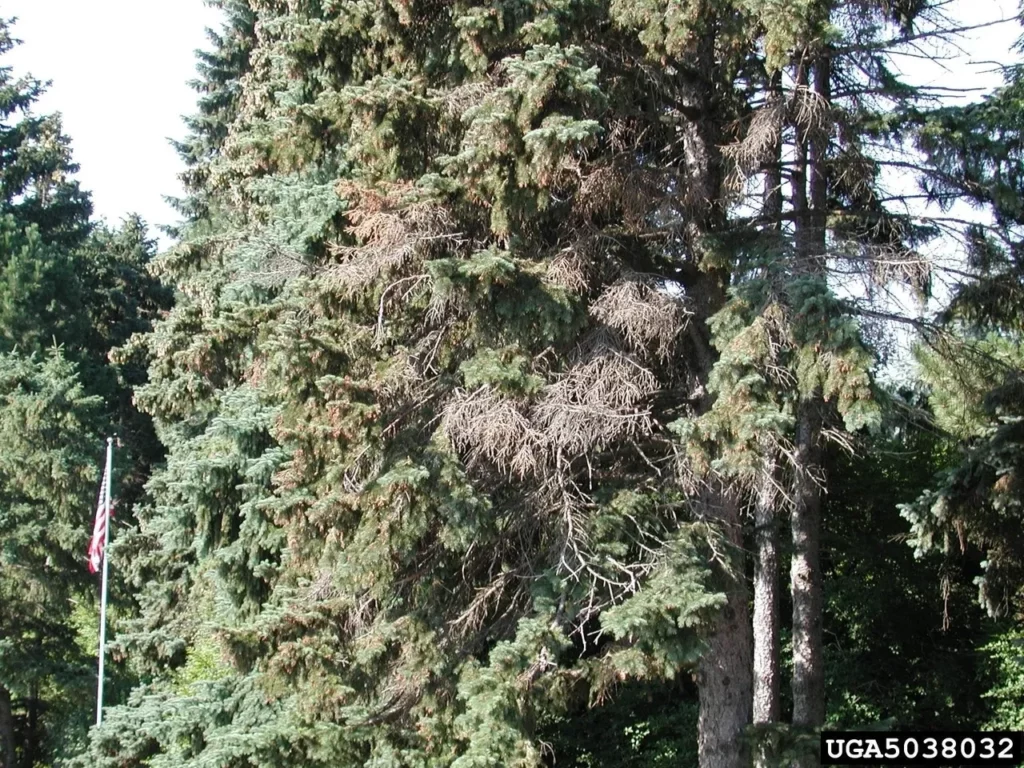
Spruce Cytospora Canker
Blue and Norway spruces are susceptible to a branch killing disease caused by the fungus Cytospora kunzei.
-
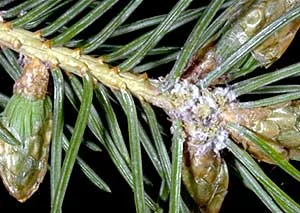
Spruce Gall Adelgid
The eastern spruce gall adelgid is a key pest of Norway spruce in northeastern United States.
-
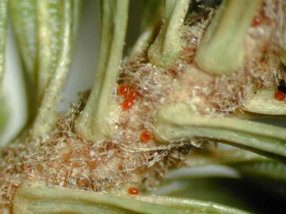
Spruce Spider Mite
The Spruce Spider Mite is considered one of the most destructive spider mites in the United States.
-
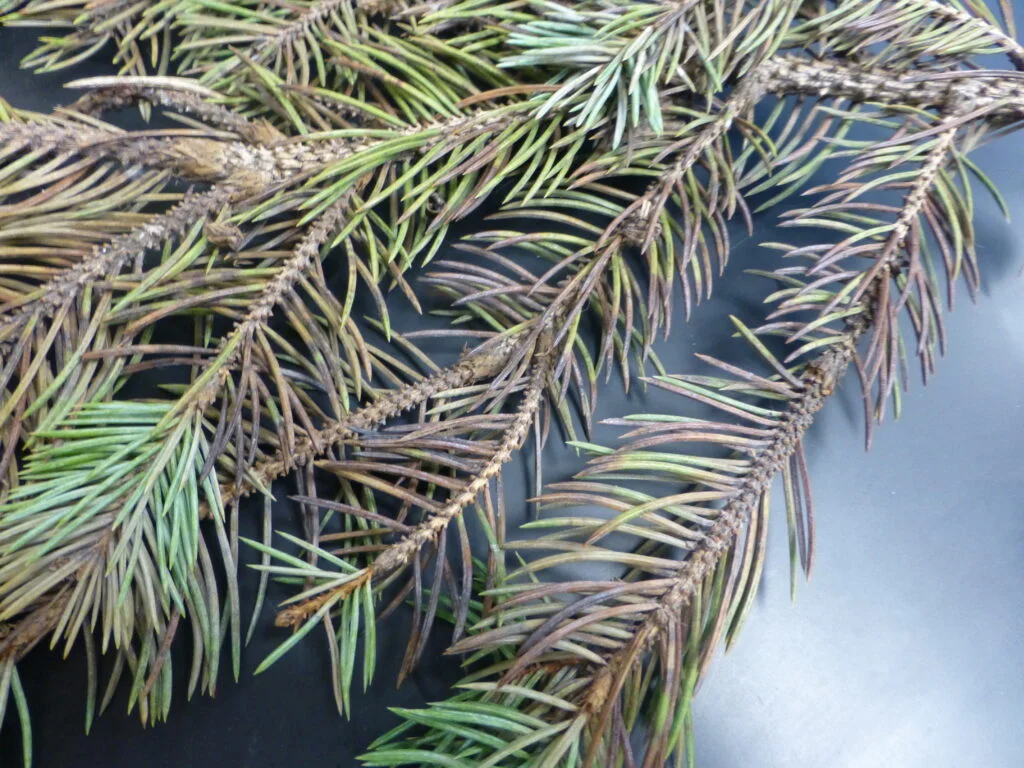
Stigmina Needle Cast
Prior to 1999, when Stigmina lautii was identified in North Carolina on blue spruce, this needle cast pathogen was only known from western Canada on black (P. mariana) and white spruce.
-
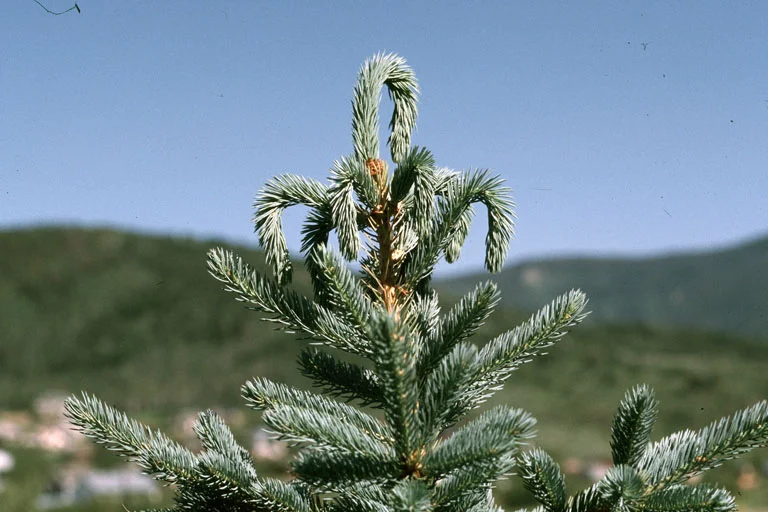
White Pine Weevil
The white pine weevil is considered the most destructive insect pest of eastern white pine in North America.