Tulip Poplar
Liriodendron tulipifera
Liriodendron tulipifera—known as the tulip tree, American tulip tree, tulipwood, tuliptree, tulip poplar, whitewood, fiddletree, lynn-tree, hickory-poplar, and yellow-poplar—is the North American representative of the two-species genus Liriodendron (the other member is Liriodendron chinense). It is native to eastern North America from Southern Ontario and possibly southern Quebec to west to Illinois, and east to southwestern Massachusetts, then south to central Florida and Louisiana.
Tulip tree is the tallest tree of the temperate deciduous forest. It can grow to more than 50 m (160 ft) in virgin cove forests of the Appalachian Mountains, often with no limbs until it reaches 25–30 m (80–100 ft) in height, making it a very valuable timber tree.
This species is also fast-growing, without the common problems of weak wood strength and short lifespan often seen in fast-growing species. In 2024 the unusual combination of fast-growing with strong wood was explained. No longer called a hardwood, the term “midwood” was created expressly for the wood of tulip tree.
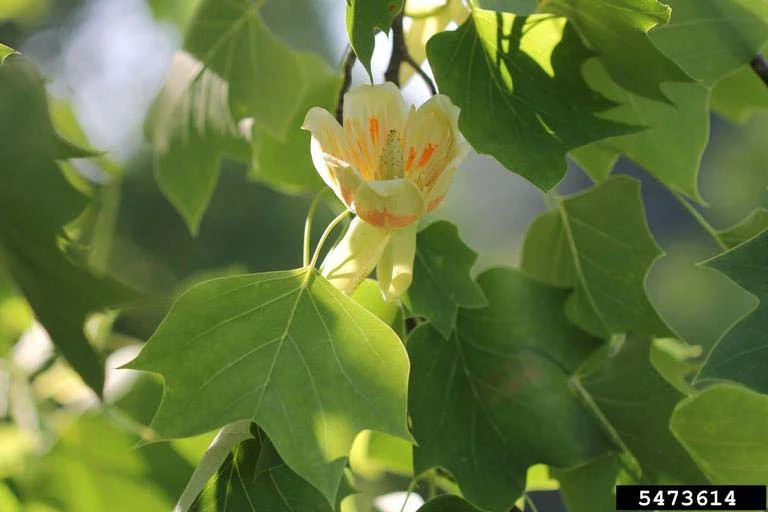

Diseases Affecting Tulip Poplar
Insects Affecting Tulip Poplar
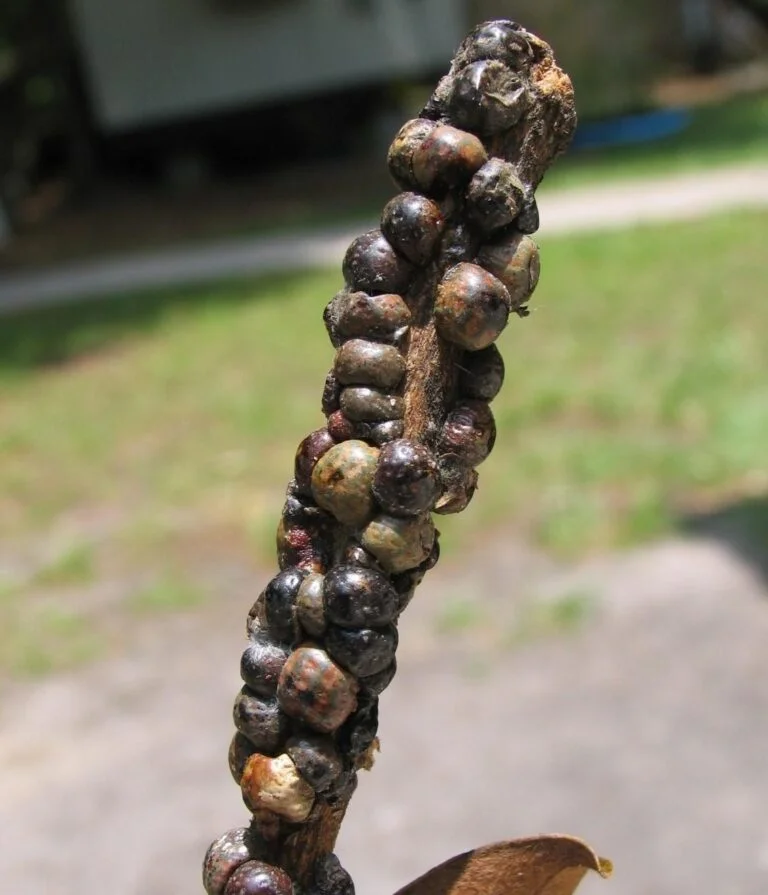
Tuliptree Scale
The tuliptree scale is one of the largest soft scale insects in the United States.
Affected Species:
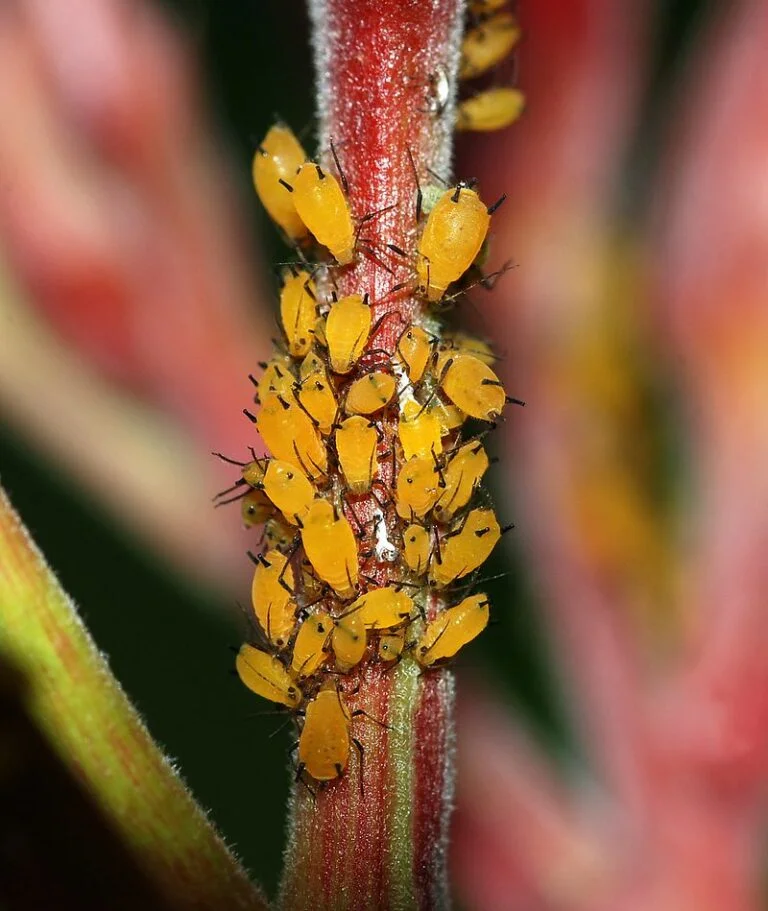
Aphids
Many species of aphids or plant lice occur on ornamental trees and shrubs in Pennsylvania.
Affected Species:
Please give us a call if you have any questions about your trees and shrubs or would like to schedule an appointment for us to walk your property.

610.525.1562