Arborvitae
Thuja
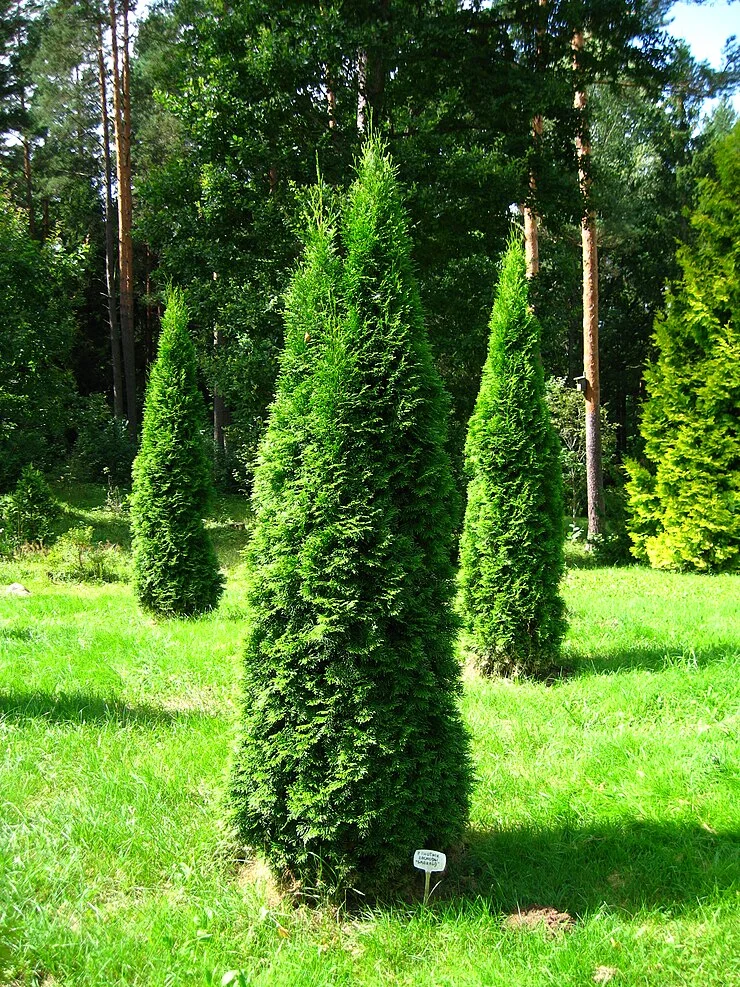
Thuja is a genus of coniferous tree or shrub in the Cupressaceae (cypress family). There are five species in the genus, two native to North America and three native to eastern Asia. The genus is monophyletic and sister to Thujopsis. Members are commonly known as arborvitaes (from the Latin term for ‘tree of life’), thujas or cedars.

Diseases Affecting Arborvitae
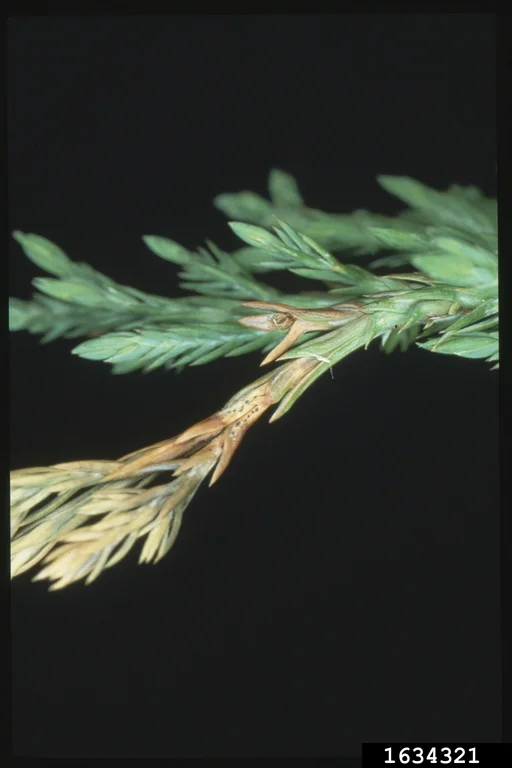
Kabatina and Phomopsis Twig Blight
The disease is most severe in nursery stock and seedlings where plants are grown closely together.
Affected Species:
Pestalotiopsis
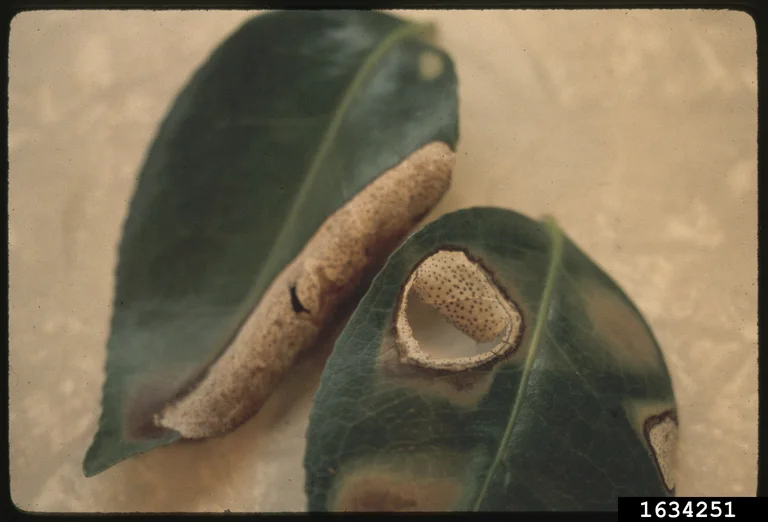
Pestalotiopsis is a type of needle blight fungal disease that is primarily found on arborvitae (Thuja). It is usually considered a secondary disease that attacks foliage that has been injured or weakened by unfavorable weather or growing conditions. The disease may kill the smaller twigs where the infected needles died
Affected Species:
Insects Affecting Arborvitae
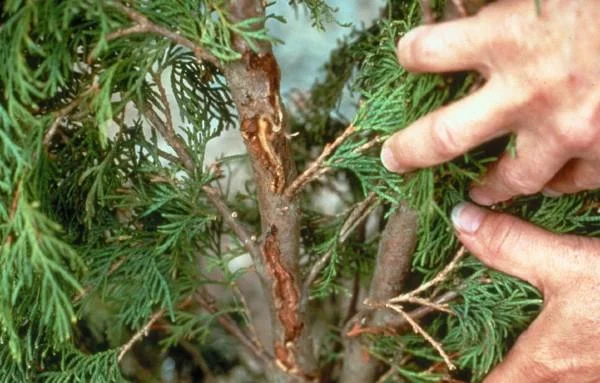
Japanese Cedar Longhorn Beetle
The Japanese cedar longhorned beetle is an exotic insect that bores into trees of the cypress family.
Affected Species:
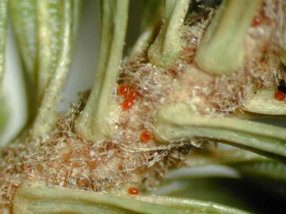
Spruce Spider Mite
The Spruce Spider Mite is considered one of the most destructive spider mites in the United States.
Affected Species:
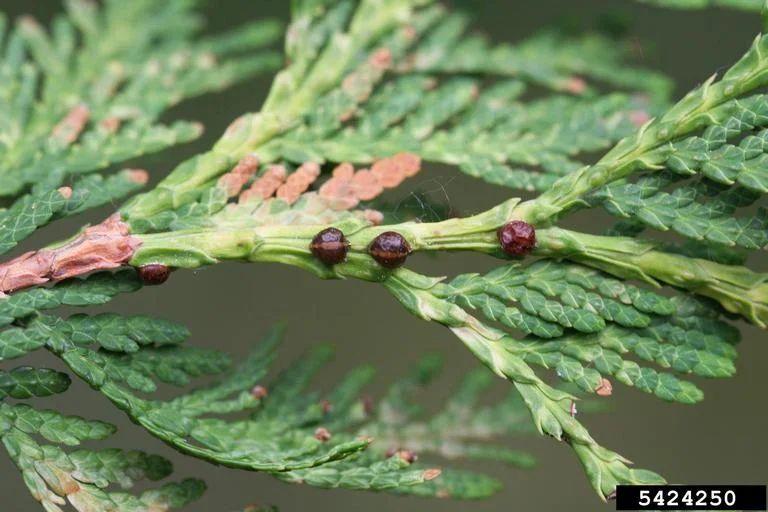
Fletcher Scale
The Fletcher Scale, sometimes referred to as the arborvitae soft scale, is a common pest of arborvitae and yew.
Affected Species:
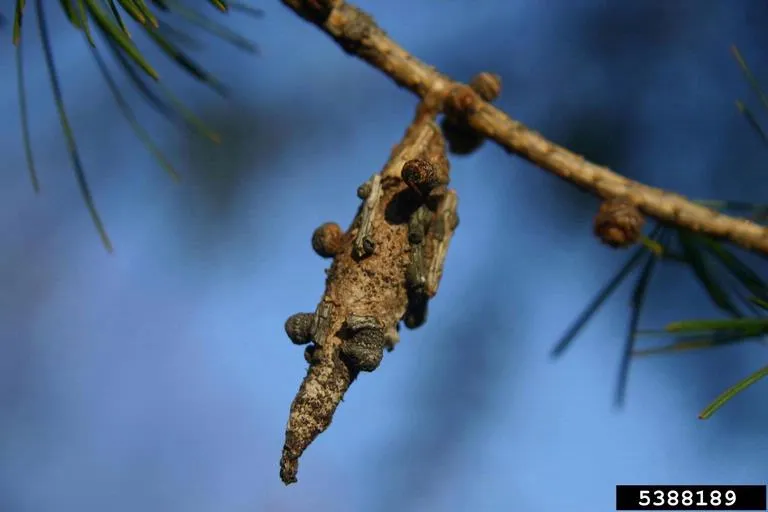
Bagworms
Bagworm is a caterpillar that molts into a moth in the adult stage. They are easiest to identify by the bags they construct as they feed. Damage includes needle discoloration and injury.
Affected Species:
Please give us a call if you have any questions about your trees and shrubs or would like to schedule an appointment for us to walk your property.

610.525.1562