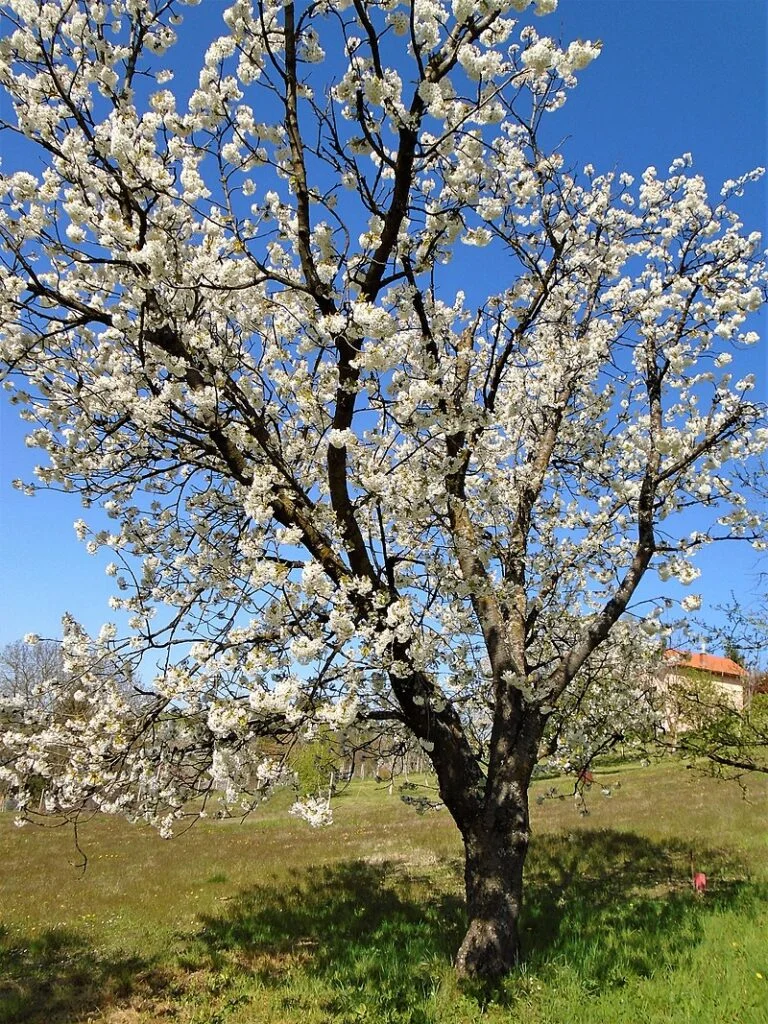
Cherry
Prunus
Prunus subg. Cerasus contains species that are typically called cherries. They are known as true cherries and distinguished by having a single winter bud per axil, by having the flowers in small corymbs or umbels of several together (occasionally solitary, e.g. P. serrula; some species with short racemes, e.g. P. maacki), and by having smooth fruit with no obvious groove.
Diseases Affecting Cherry
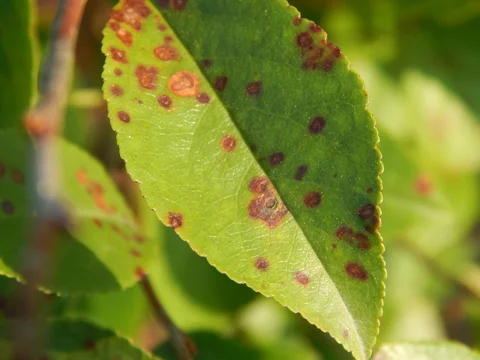
Cherry Leaf Spot
Cherry leaf spot (Blumeriella jaapii) is a fungal disease which infects cherries and plums. Sweet, sour, and ornamental cherries are susceptible to the disease, being most prevalent in sour cherries. The variety of sour cherries that is the most susceptible are the English morello cherries. This is considered a serious disease in the Midwest, New…
Affected Species:
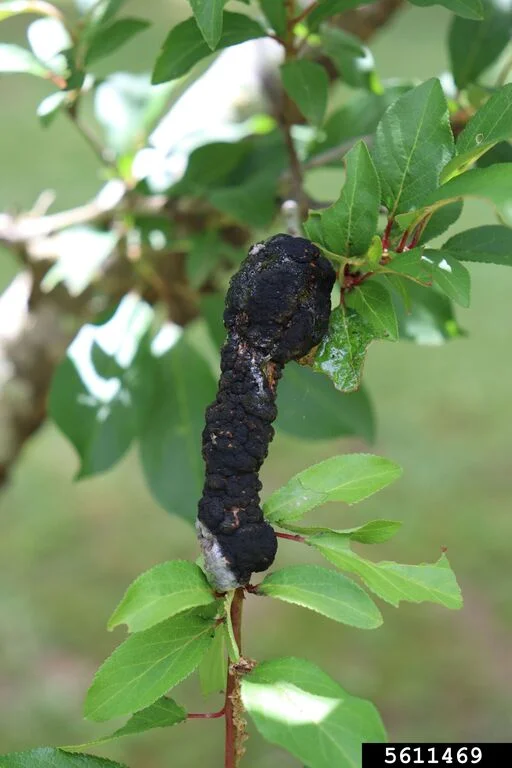
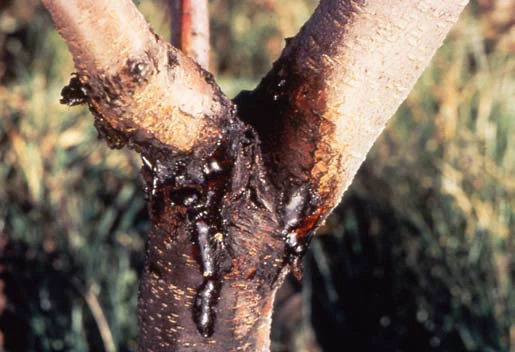
Black Knot
Black knot is a common fungal disease of Prunus trees including ornamental, edible, and native plum and cherry trees. Hard swollen black galls (tumor like growths) form on branches and occasionally on trunks. Many Prunus trees tolerate black knot. Tolerant trees have many galls throughout the tree with few negative effects on the health of…
Insects Affecting Cherry
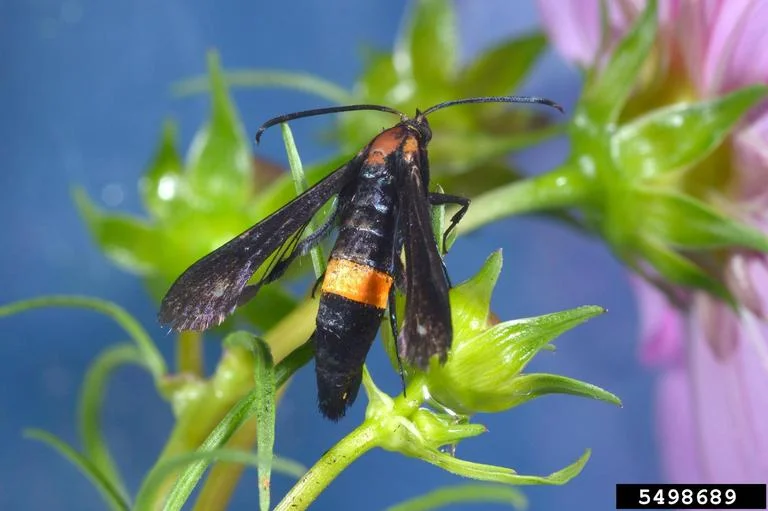
Peachtree Borer
The peachtree borer, a native insect, is a major pest of stone fruits in the United States and Canada.
Affected Species:
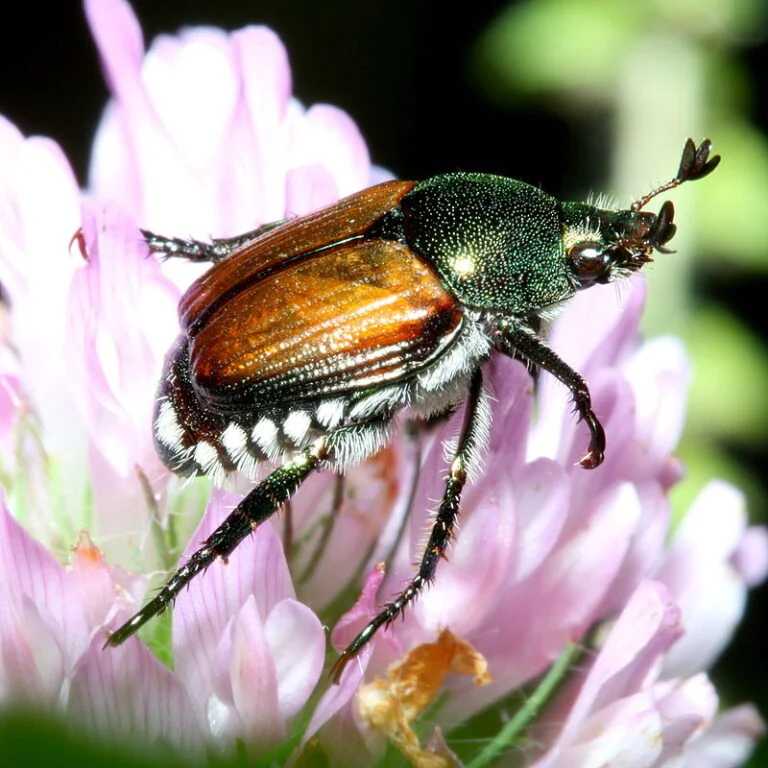
Japanese Beetle
Japanese beetle adults have metallic green bodies with coppery brown wing covers surrounded with 12 white tufts of hair.
Affected Species:
White Prunicola Scale
What was formerly considered to be a single species of scale known as the white peach scale, has been determined to actually involve two species, one commonly known as the white peach scale, Pseudaulacaspis pentagona, and the other, Pseudaulacaspis prunicola, with the suggested common name of white prunicola scale (WPS). The WPS is the species…
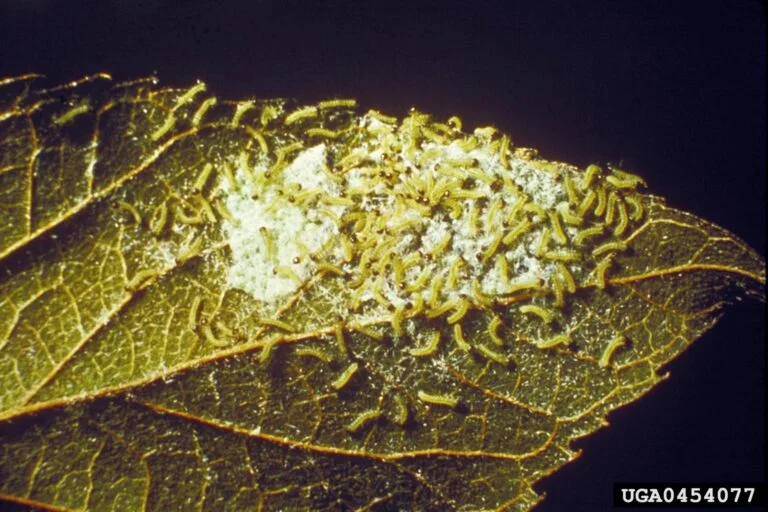
Cottony Maple Leaf Scale
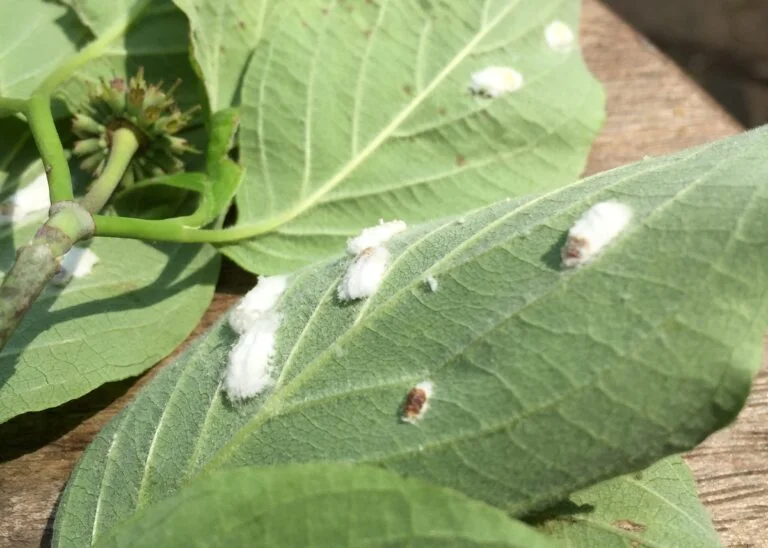
Cottony maple leaf scale females are 3 to 4mm long and 2 to 4mm wide. They are slightly convex and are brown with a yellow-brown ridge down the back. The body is covered with flakes of clear wax. Their eggs are white to pale yellow and are meshed in a white, cottony ovisac which may…
Please give us a call if you have any questions about your trees and shrubs or would like to schedule an appointment for us to walk your property.

610.525.1562