Magnolia
Magnolia
Magnolia is a large genus of about 210 to 340 flowering plant species in the subfamily Magnolioideae of the family Magnoliaceae. The natural range of Magnolia species is disjunct, with a main center in east, south and southeast Asia and a secondary center in eastern North America, Central America, the West Indies and some species in South America.
Magnolias are spreading evergreen or deciduous trees or shrubs characterized by large fragrant flowers, which may be bowl-shaped or star-shaped, in shades of white, pink, purple, green, or yellow. In deciduous species, the blooms often appear before the leaves in spring. Cone-like fruits are often produced in the autumn.
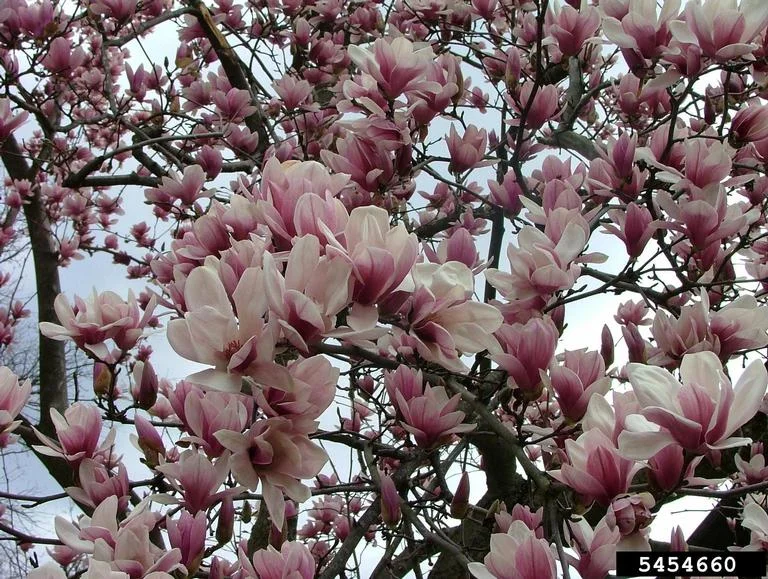

Diseases Affecting Magnolia
Bleeding Canker
Phytophthora bleeding canker kills the bark and outer sapwood tissues of trees and shrubs. The most prominent symptom of the disease is dark-colored sap oozing from bark cankers. The fluid is typically reddish-brown and it stains the surrounding bark as it flows downward. Infected bark is often water soaked and stained while the inner sapwood…
Verticillium Wilt
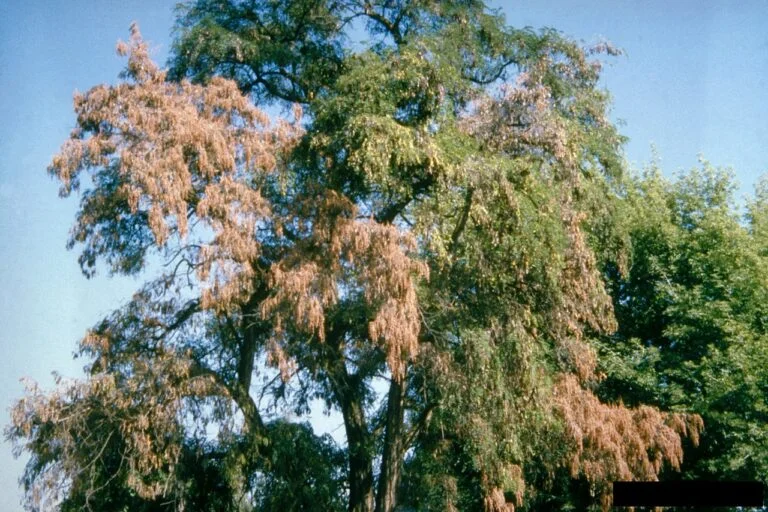
Early indications that a tree has Verticillium wilt include heavy seed production, leaves that are smaller than normal, and the browning of the margins of leaves.
Affected Species:
Insects Affecting Magnolia
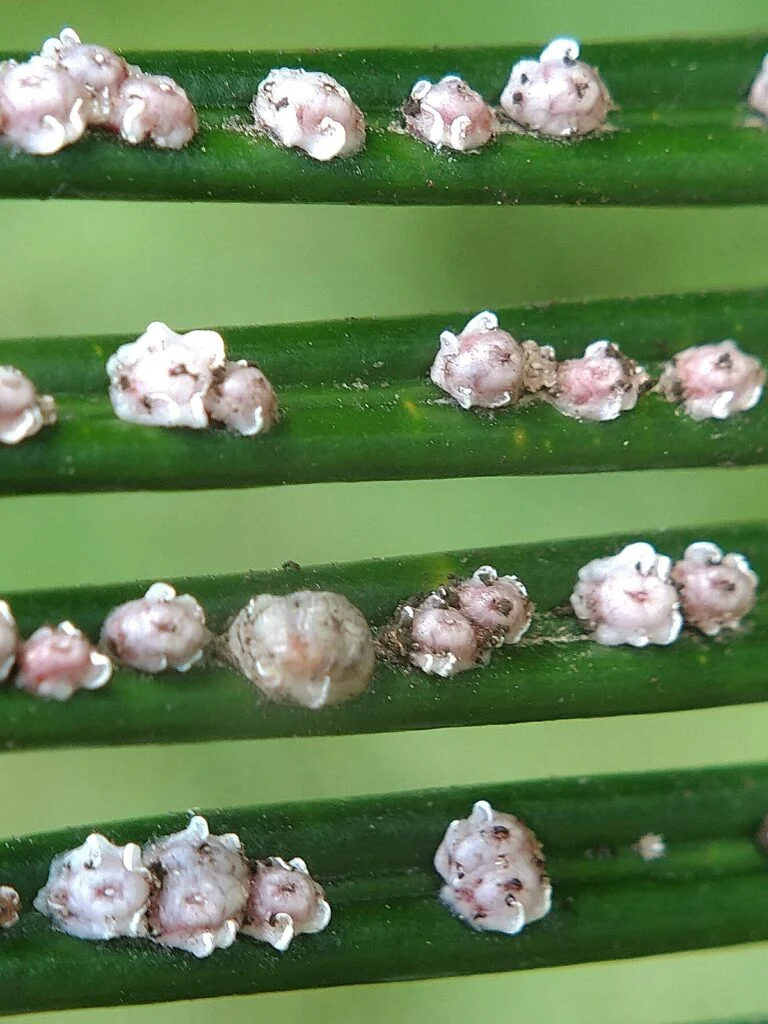
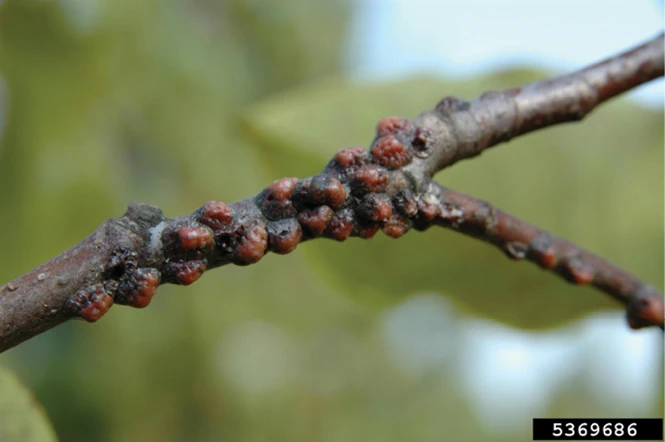
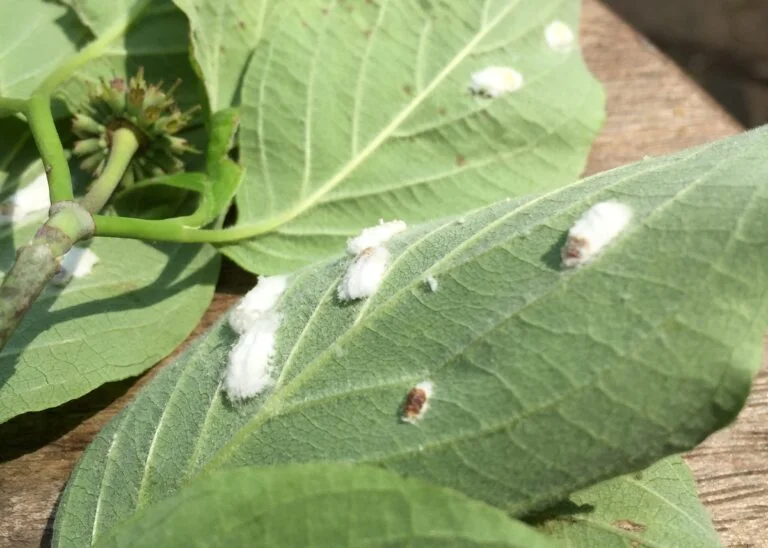
Cottony Maple Leaf Scale
Cottony maple leaf scale females are 3 to 4mm long and 2 to 4mm wide. They are slightly convex and are brown with a yellow-brown ridge down the back. The body is covered with flakes of clear wax. Their eggs are white to pale yellow and are meshed in a white, cottony ovisac which may…
Verticillium Wilt
Early indications that a tree has Verticillium wilt include heavy seed production, leaves that are smaller than normal, and the browning of the margins of leaves.
Affected Species:
Please give us a call if you have any questions about your trees and shrubs or would like to schedule an appointment for us to walk your property.

610.525.1562